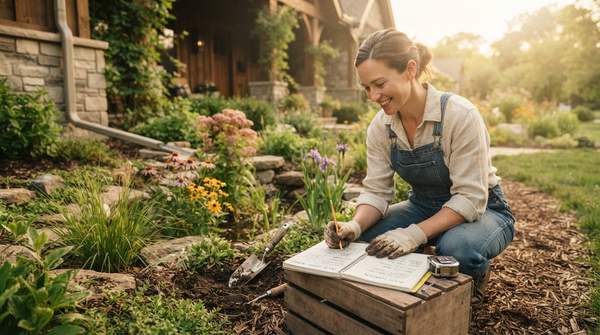
Shoppers can save significantly on outdoor items by purchasing them now, before fall prices rise, while simultaneously preparing their gardens for winter's harsh conditions. Homeowners who delay purchasing outdoor items and protecting their gear until fall are not just risking damage, but actively forfeiting significant savings, effectively paying a premium for procrastination, according to USA Today. Homeowners often wait until winter arrives to think about garden protection, but the most effective and cost-saving measures must be taken proactively in the fall. Delaying garden protection results in preventable damage to plants and outdoor equipment, leading to higher replacement costs and lost enjoyment, whereas a few strategic tasks can ensure a thriving garden and preserved outdoor investments come spring.
Mastering Mulch for Winter Plant Protection
1. Applying Organic Mulch to Trees, Shrubs, and Perennial Beds
Best for: Homeowners aiming for comprehensive plant root protection.
Apply a 2- to 4-inch layer of organic mulch such as straw, shredded leaves, nut hulls, pine needles, or wood chips to plant beds. For perennial beds, a 1- to 2-inch layer is also effective, protecting plant roots from temperature swings during winter, according to Morton Arboretum and Southern Living Plants. While both sources agree on the insulating benefits, the slight variation in recommended depth for perennial beds suggests a nuanced approach may be best, depending on local climate and specific plant needs.
Strengths: Insulates roots effectively; reduces temperature fluctuations; uses common materials. | Limitations: Requires precise depth application; incorrect application can cause issues. | Price: Variable, depending on material choice.
2. Maintaining a Mulch-Free Zone Around Tree and Shrub Bark
Best for: Protecting tree and shrub health from bark damage.
Maintain a mulch-free zone of about 3- to 4-inches around shrubs and 6- to 12-inches around tree trunks. This prevents issues from mulch piled directly against the bark, such as moisture retention and pest harborage, which can lead to decay, as recommended by Southern Living Plants. Neglecting this simple step can turn a protective measure into a destructive one, inviting disease and pests.
Strengths: Prevents bark rot and pest infestations; ensures proper air circulation at the base of plants. | Limitations: Requires careful attention to detail during application. | Price: Free.
3. Timing Winter Mulch Application for Optimal Protection
Best for: Maximizing mulch effectiveness for plant cold hardiness.
Apply winter mulch after several hard touches of frost, typically in November or December in the South, once plants have developed cold hardiness and the ground has frozen, according to Southern Living Plants. This timing ensures plants have entered dormancy before insulation. Applying mulch too early can trap warmth, disrupting dormancy and making plants more vulnerable to subsequent hard freezes.
Strengths: Optimizes plant protection against severe cold; prevents premature warming during mild spells. | Limitations: Requires monitoring local weather conditions. | Price: Free.
4. Using Fallen Leaves as Garden Mulch
Best for: Cost-effective and eco-friendly garden insulation.
Fallen leaves can be used as mulch for perennial beds or around trees and shrubs, offering free, effective insulation. However, they should be removed from lawns to prevent smothering the grass, advises Morton Arboretum. This dual benefit of free insulation and reduced waste highlights an often-overlooked resource for sustainable garden care.
Strengths: Free and readily available; provides natural nutrients as it decomposes; reduces yard waste. | Limitations: Requires raking and transport; can smother lawns if not managed. | Price: Free.
5. Watering Raised Garden Beds Before a Freeze
Best for: Protecting roots in elevated garden structures.
Water raised garden beds well before a freeze. Wet soil holds heat better than dry soil, which helps protect plant roots from freezing temperatures, according to Gardenary. This simple step can significantly enhance root survival. Failing to pre-water can leave roots exposed to lethal temperature drops, especially in the more vulnerable elevated structures.
Strengths: Increases soil's heat retention capacity; simple, immediate protection for roots. | Limitations: Requires access to water; timing is crucial before temperatures drop. | Price: Minimal, cost of water.
6. Disposing of Diseased or Infested Plants
Best for: Preventing future garden pest and disease outbreaks.
Collect and dispose of diseased or infested plants outside the yard to prevent issues from returning next year, as recommended by Morton Arboretum. This sanitation step breaks the life cycle of pests and pathogens. Ignoring this crucial cleanup ensures a recurring battle with garden ailments, undermining future efforts.
Strengths: Reduces disease and pest recurrence; promotes overall garden health. | Limitations: Requires careful identification of affected plants. | Price: Free.