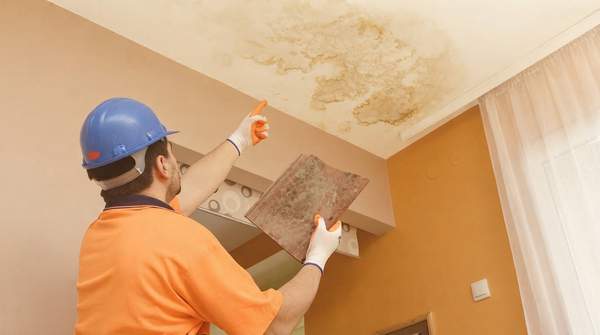
A single burst pipe can unleash thousands of dollars in water damage, transforming a minor oversight into a major financial and structural nightmare for homeowners. Such an event floods basements, damages ceilings, and ruins belongings, demanding extensive, costly repairs. Consumer Reports confirms this mess can lead to thousands in water damage, making preventative action critical.
Simple, low-cost preventative actions easily protect home plumbing, but neglecting these steps leads to thousands in damage. Many homeowners underestimate the ease and affordability of preventing such catastrophic failures, particularly when planning home plumbing exterior and landscaping winterization for 2026.
Homeowners who prioritize basic winterization steps will significantly cut their risk of costly pipe damage, saving both money and stress. Understanding the actual mechanism of pipe failure and implementing straightforward measures safeguards your property against severe cold.
Understanding the Burst: Why Freezing Pipes Cause Damage
When temperatures drop below freezing, water inside pipes expands. DCWater confirms that freezing water expands, causing pipes to break. SCFBINS further reports that if this expansion is sufficient, the pipe bursts, unleashing water and serious damage. This seemingly simple process hides a critical nuance often misunderstood by homeowners.
However, the common understanding of where a pipe breaks is often incomplete. Ice forming in a pipe does not typically cause a break at the blockage itself. Instead, SCFBINS clarifies, continued freezing and expansion downstream from the blockage increases water pressure. This immense hydraulic pressure then leads to pipe failure, often in an unfrozen section.
Understanding this nuanced mechanism—that pipes burst from downstream pressure, not direct ice blockage—reveals why simple actions like dripping faucets are not old wives' tales. They are critical pressure-relief strategies that avert disaster. These small measures prevent the dangerous pressure buildup that ruptures pipes.
Essential Steps for Protecting Your Home Plumbing
Protecting your home's plumbing begins with straightforward actions. Oatey advises setting your thermostat to at least 55° Fahrenheit to prevent freeze damage. Consumer Reports echoes this, recommending no lower than 55° F if you are away. This consistent indoor warmth is crucial; it ensures interior pipes remain above freezing, preventing the dangerous expansion that leads to bursts.