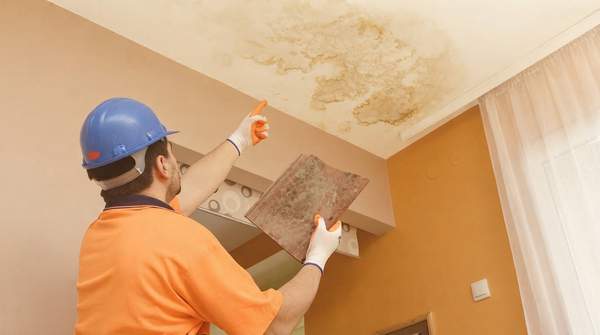
In eThekwini Municipality, over 65% of the water is lost before it reaches residents, with 13,000 leaks riddling the city's pipes, according to the Sunday Tribune. Extensive water loss contributes to South Africa's ongoing water infrastructure failures, directly impacting homeowners and their daily water supply. More than one-third (35.8%) of South African households reported dysfunctional water supply services in 2023, according to Government of South Africa data.
South Africa plans to impose personal criminal liability on municipal managers for the water crisis. However, the national infrastructure continues to deteriorate, with nearly half of all wastewater systems now in critical condition, according to sanews. The national percentage of non-revenue water has remained roughly constant at 47.3%, compared with 47.4% in the 2023 No Drop report, also from sanews.
Based on persistent national water losses and accelerating decay of critical infrastructure, the crisis appears likely to deepen, leading to more widespread service disruptions and health risks, unless a massive, coordinated investment and reform effort is undertaken.
Daily Life Under a Failing System
- Reported sewer faults in eThekwini tripled to 2,368 in January 2026, compared to 850 in December 2025, according to IOL.
A rapid increase in sewer faults in major municipalities like eThekwini indicates a deteriorating public health risk and a significant decline in the quality of life for residents. Homeowners face not only water scarcity but also the hazards of untreated sewage backing up into streets and properties. Overflowing sewers create an immediate health risk, as they can contaminate local environments and private water sources. The burden falls on residents to navigate these unreliable conditions, often at personal expense for repairs or alternative sanitation. Failures undermine basic sanitation, a core municipal service, and highlight the urgent need for infrastructure repairs beyond just water supply pipes. The crisis extends beyond mere inconvenience, posing significant challenges to community well-being and environmental safety, directly impacting the living conditions of South African homeowners.

Decades of Decay and Underinvestment
Non-revenue water, representing water lost through leaks and commercial losses, accounts for over a third of water loss, according to the Helen Suzman Foundation (HSF). Persistent leakage points to systemic issues within the infrastructure itself, where much of the treated water simply never reaches its intended consumers. The aging network of pipes contributes significantly to this inefficiency, making it difficult for municipalities to maintain consistent supply even when water sources are available.
The municipality of eThekwini needs an estimated R4.6 billion to refurbish all Wastewater Treatment Works to meet Green Drop compliance standards, according to the Sunday Tribune. The R4.6 billion figure illustrates the massive financial requirement for overdue maintenance and upgrades across the nation. Decades of underinvestment and inadequate maintenance have led to a critical state where a significant portion of treated water never reaches consumers, and the cost to rectify these failures is astronomical. The current focus on punitive measures against managers, as proposed by the government, often diverts attention from this fundamental financial shortfall and the necessary systemic overhaul. This approach fails to address the root causes of decay, which demand substantial capital injection and long-term strategic planning.
Environmental and Systemic Collapse
The proportion of wastewater systems in a critical condition has increased to 47% (396 systems), up from 39% (334 systems) in 2022, according to sanews. The escalating figure of 47% (396 systems) indicates a rapid decline in wastewater management across the nation, posing a severe threat to environmental health and public safety. The consistent increase in critically failing systems suggests a widespread failure to maintain essential services.
Systems achieving excellent or good performance in wastewater management also declined significantly, dropping from 14% (118 systems) to 8% (66 systems), as reported by sanews. Only 14 systems achieved Green Drop certification in 2025, a decrease from 22 in the previous report, further highlighting the decline in performance, also from sanews. The widespread and accelerating deterioration of wastewater treatment systems, coupled with a decline in Green Drop certifications, signals a severe environmental and public health crisis that is worsening despite regulatory frameworks.
South Africa's consistent 47.3% non-revenue water rate, coupled with the alarming increase to 47% of critical wastewater systems and a tripling of sewer faults in eThekwini, reveals that the country is not just losing a precious resource, but actively poisoning its environment with what's left, creating a dual crisis of scarcity and pollution that demands immediate, integrated action. The staggering R4.6 billion needed just to bring eThekwini's wastewater treatment works to compliance, against a backdrop of declining national Green Drop certifications, demonstrates that the scale of infrastructure decay far outstrips current intervention strategies, making any talk of quick fixes or punitive measures a dangerous misdirection from the necessary systemic overhaul and investment.
Mixed Signals and the Path Forward
Despite the widespread issues, some areas show slight improvements; low-risk drinking water systems increased from 60.2% to 61.9%, and critical-risk systems decreased from 9.9% to 7.9%, according to sanews. The increase in low-risk drinking water systems from 60.2% to 61.9% and decrease in critical-risk systems from 9.9% to 7.9% suggests a focused effort on drinking water quality in certain regions, potentially prioritizing the safety of water that does reach consumers. This localized progress offers a contrast to the broader narrative of decay but highlights an uneven distribution of resources and attention.
However, this limited progress contrasts sharply with the broader deterioration of wastewater infrastructure and persistent water losses. The national government's focus on criminal liability for municipal managers, while intended to improve accountability, may not address the core issue of underfunded and aging infrastructure. The national government's focus on criminal liability for municipal managers risks misdirecting resources and political will from the massive financial and engineering challenges at hand, failing to implement comprehensive, long-term solutions.
While there are isolated improvements in drinking water safety, the overall trend of declining compliance and performance in critical areas like wastewater suggests that punitive measures alone may not reverse the systemic decay without significant investment and operational reform. The national data from sanews indicates a slight decrease in critical-risk drinking water systems, but the same report shows the national percentage of non-revenue water has remained constant at 47.3-47.4%, and wastewater systems in critical condition have increased to 47%. This means that while the quality of water that does reach some consumers might be improving, the fundamental problems of massive water loss and environmental pollution from untreated wastewater are worsening, suggesting a fragmented and incomplete approach to the overall water crisis.
Addressing the Crisis: Key Questions
What are the main causes of water infrastructure failures in South Africa?
Water infrastructure failures in South Africa stem primarily from decades of underinvestment in maintenance and upgrades, coupled with high levels of non-revenue water due to leaks. Decades of underinvestment and high levels of non-revenue water lead to crumbling pipes and inadequate treatment facilities, requiring billions in refurbishment. For example, Gauteng's water system faces pressure from rising demand, with projections showing a shortfall of 600 million liters per day by 2026, according to Business Day.
How are South African homeowners affected by water supply issues in 2026?
Homeowners in South Africa face frequent water supply disruptions, increased health risks from untreated wastewater, and higher costs for alternative water sources. The widespread nature of these failures means unreliable services are becoming common. In Johannesburg, an underground fire in August 2026 caused citywide water and traffic woes, demonstrating the vulnerability of urban systems, as reported by TimesLIVE.
By 2026, eThekwini Municipality faces the daunting task of securing R4.6 billion to refurbish its wastewater treatment works, a critical step to prevent further environmental degradation and public health crises. Without this investment, the current trajectory of infrastructure collapse will likely continue, affecting millions of homeowners across the nation.