The average person spends 55 minutes daily searching for lost items, a hidden cost that can be drastically cut with just 30 minutes of focused effort, according to APA research on clutter. While many believe effective decluttering demands an entire weekend, consistent 30-minute sessions are far more effective and sustainable for long-term organization. This approach directly challenges the notion that tackling a mess requires a huge time commitment.
With the average American household containing 300,000 items, according to the LA Times, the sheer volume of possessions creates a significant mental load. This daily time sink and overwhelming clutter often paralyze us. However, starting with small, manageable tasks can make a profound difference in your home and mindset.
Based on the psychological and practical benefits of short, focused efforts, the trend towards "micro-decluttering" is likely to grow. People are seeking efficient ways to manage their environments and well-being, and adopting these brief, targeted efforts can transform your home and reduce daily stress.
The 30-Minute Declutter: A Practical Approach
Begin your 30-minute declutter session with simple, time-boxed techniques. The "four-box method," outlined in Marie Kondo's 'The Life-Changing Magic of Tidying Up', sorts items into keep, donate, trash, or relocate, completing a small area in under 10 minutes. This quick process helps you make decisions without overthinking.
Another effective strategy is Gretchen Rubin's "one-minute rule" from 'The Happiness Project': if a task takes less than a minute, do it immediately. This rule can eliminate 80% of minor daily clutter. As James Clear notes in 'Atomic Habits', breaking down large tasks into 30-minute sprints makes them psychologically less daunting and more achievable. These simple, time-boxed techniques transform decluttering from an overwhelming chore into accessible, manageable steps, building momentum and helping you maintain an organized space.
Beyond the Surface: The Psychology of Quick Tidying
Even brief decluttering offers immediate mental health benefits. A study in the Journal of Environmental Psychology found just 15 minutes of decluttering significantly reduces perceived stress. This immediate relief makes the task rewarding, not draining.
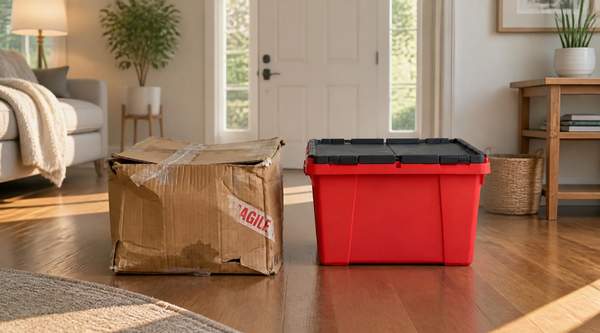
Visual clutter decreases focus and increases anxiety, according to the Princeton University Neuroscience Institute. Clearing a space provides an immediate visual impact, offering a quick dopamine hit. This positive reinforcement, as described by Neuroscience of Habit Formation, fosters a feedback loop that encourages continued engagement and improved well-being, leaving you with a sense of accomplishment and calm after each short session.
The Long-Term Impact of Short Bursts
Consistent 30-minute efforts lead to sustained organization and improved quality of life. Regular, short sessions, like 10-15 minutes daily, prevent major clutter build-up, according to The Minimalists podcast, stopping small messes from becoming overwhelming projects.
A clear workspace can boost productivity by up to 20%, according to Harvard Business Review. An organized environment means less time searching and more time focusing. Studies also show people with organized homes report higher life satisfaction, according to the Journal of Happiness Studies. Consistent, brief decluttering transforms daily habits, leading to sustained order, enhanced productivity, and a measurable improvement in overall life satisfaction, proving that a little effort each day creates lasting positive change.
Common Hurdles and Quick Solutions
How do I organize my whole house quickly?
Organizing your entire home quickly involves consistent, small efforts, not one massive project. Many postpone decluttering, believing it requires an entire weekend or more, according to a Good Housekeeping survey. Instead, focus on 30-minute daily sessions in different areas to prevent overwhelming yourself.
What are the best decluttering methods for small spaces?
For small spaces, focus on vertical storage and multi-functional items. The biggest barrier to starting is often the overwhelming feeling of where to begin, according to the Professional Organizer's Association. Prioritize clearing surfaces and storing items out of sight. Declutter regularly to maintain order in confined areas.
How to declutter and organize without buying storage?
Decluttering without new storage means focusing on reduction and repurposing. Psychologists suggest tackling a small, manageable 30-minute session builds momentum for larger projects, according to Psychology Today. First, remove items you no longer need. Then, use existing containers or furniture creatively for the items you keep.
Embracing short, focused decluttering sessions is a profound way to reclaim control, reduce stress, and improve life quality. Donating unwanted items also contributes to community welfare, extending the positive impact beyond your personal space, according to the Goodwill Annual Report.
Start your 30-minute declutter today. Choose one small area, set a timer, and begin to sort. By consistently applying these quick, actionable steps, you may find your home transformed and mental well-being enhanced by the end of 2026. This habit-forming approach appears to be a sustainable path to an organized life.


