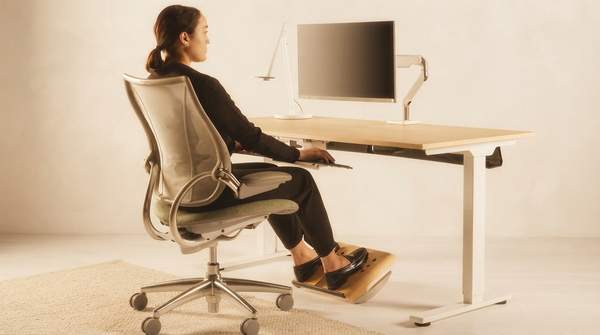
If your back aches, your neck is stiff, or your wrists throb by mid-afternoon, the fastest fix is not buying every gadget on the market. It is identifying your single worst pain point and buying the one accessory designed to relieve it. This guide gives you a diagnostic table that maps your symptom to the right first purchase, then walks through the adjustable features that actually matter when you are comparing chairs, monitor setups, and keyboards.
Why Ergonomics Matters: Addressing Home Office Discomfort
Long desk hours take a measurable toll on your body. Contour Design, citing Bureau of Labor Statistics data, reports that 2.7 million U.S. workers reported musculoskeletal disorders in 2024. The company frames wrist strain, neck tension, and lower back pain not as minor annoyances but as warning signs that something in your setup needs to change. If you spend six to ten hours a day at your desk, your body is keeping score, and the aches you feel at the end of each workday are the tally.
We Work Remotely identifies the same cluster of remote-work ailments and explains the mechanism behind each one. Back pain comes from prolonged sitting in an uncomfortable position that strains your spine. Neck pain stems from poor posture and looking at a screen, producing stiffness and headaches. Eye strain arises from excessive screen time without proper lighting, which can trigger dry eye, fatigue, and even migraines. And repetitive strain injuries—carpal tunnel syndrome and tendonitis among them—develop from overusing your wrists, hands, and shoulders.
The encouraging news is that equipment, not just willpower, addresses these problems. Melanie Pinola, writing for Wirecutter, describes how, after years of slumping at a poorly fitting desk with a stiff chair and a cramped laptop keyboard, talking with ergonomics experts taught her that a workstation supporting your body in a neutral position can reduce the risk of discomfort and pain. The key is targeting: start with the accessory that matches where you actually hurt, rather than spreading a limited budget across items that address symptoms you do not have.