You don't need an entire weekend to declutter; setting a 10-minute timer can yield remarkable results by working with urgency, according to Roochiicleaning. Small bursts of focused effort can transform overwhelming tasks into manageable steps, making a significant impact on your home's tidiness.
Most people approach decluttering as a daunting, infrequent project, but the most effective methods involve quick, daily actions. This common misconception often leads to procrastination and increased stress, perpetuating cycles of clutter.
Companies and individuals will increasingly prioritize micro-decluttering habits and multi-functional organizing solutions over large-scale, infrequent overhauls, leading to more sustainable and less stressful home management.
Micro-Strategies for Major Impact
Forget overwhelming purges. True organization comes from consistent, small actions. These micro-strategies empower you to tackle clutter daily, making a significant impact without sacrificing your weekend.
1. One-Minute Rule
Best for: Preventing daily clutter accumulation.
Do any task taking less than one minute immediately. This simple rule prevents daily clutter from accumulating, making a huge cumulative difference and freeing up mental space.
Strengths: Highly effective for preventing minor clutter daily | Limitations: Not suitable for large decluttering projects | Price: Free
2. 12-12-12 Challenge
Best for: Overwhelmed by existing clutter and needing clear steps.
Find 12 items to toss, 12 to donate, and 12 to put away, per roochiicleaning.com. This challenge offers a clear, achievable goal for tackling small messes, reducing decision paralysis and building decluttering momentum.
Strengths: Provides specific, manageable targets; reduces decision paralysis | Limitations: May not address deep-seated clutter issues | Price: Free
3. Maybe Box Strategy
Best for: Struggling with emotional attachment or indecision.
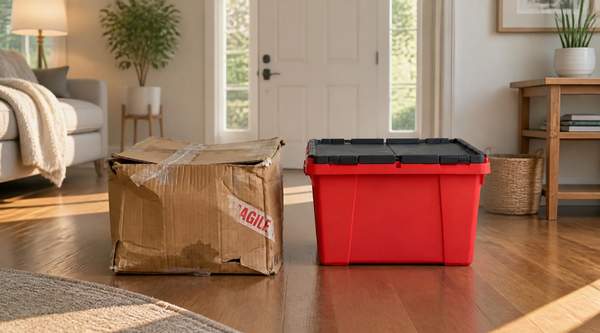
Seal items you're unsure about in a 'Maybe Box,' dated 30 days out. If you haven't needed it by then, it's likely time to let it go. This strategy manages indecision without immediate pressure, allowing you to defer tough choices and clear visible clutter.
Strengths: Manages indecision without immediate pressure; offers a structured deferral | Limitations: Requires dedicated temporary storage space | Price: Free (plus box cost)
4. Setting a 10-minute Timer for Decluttering
Best for: Busy individuals needing to integrate decluttering into a packed schedule.
Set a 10-minute timer and work with urgency, as roochiicleaning.com suggests. This approach makes decluttering less daunting, fostering consistent effort and remarkable results that build confidence for larger tasks.
Strengths: Overcomes procrastination; ideal for quick, focused bursts | Limitations: Scope limited by time; requires self-discipline | Price: Free
5. 5 Things Method
Best for: Daily maintenance and preventing new clutter.
Find five misplaced items in any room and put them away, per roochiicleaning.com. This simple, quick task is perfect for daily maintenance, preventing small messes from growing into overwhelming piles and keeping your space consistently tidy.
Strengths: Easy to incorporate daily; prevents small messes from growing | Limitations: Less effective for initial large-scale decluttering | Price: Free
Essential Tools for Lasting Order
Effective decluttering isn't just about removing items; it's about engineering environments that make clutter accumulation physically difficult. Strategic placement of simple tools like recycling baskets and wall hooks makes this possible. These physical and digital aids support ongoing organization, making your efforts sustainable.
| Tool | Type | Primary Use | Benefits | Considerations |
|---|---|---|---|---|
| Wall Hooks | Physical | Maximizing vertical space for hanging items | Frees up floor and counter space; versatile for coats, bags, towels, scarves, and necklaces, according to houzz.com. | Requires wall installation; can appear cluttered if overloaded. |
| Fabric-covered Canvas Bins | Physical | Containing miscellaneous items aesthetically | Suitable for delicate items; provides concealed storage in closets, laundry rooms, and pantries, as noted by houzz.com. | Can take up significant space; items may be forgotten if not regularly sorted. |
| Recycling Baskets | Physical | Immediate disposal of paper clutter | Placed near mail-opening areas, they help reduce paper clutter efficiently, states houzz.com. Encourages quick action on junk mail. | Needs frequent emptying; limited to recyclable materials. |
| Google Keep | Digital | Organizing notes, lists, and reminders | Allows users to color code notes, set reminders and alarms, and create labels to categorize similar notes, reports Thecuriousstones. Integrates physical and digital organization. | Requires consistent digital habit; not for physical item storage. |
The right tools, from versatile physical organizers to smart digital note-takers, are crucial for maintaining order and preventing new clutter from accumulating. Integrating these tools into daily routines amplifies the effectiveness of micro-decluttering methods, turning potential clutter zones into self-managing systems.
The Cumulative Power of Small Changes
Decision paralysis isn't a personal failing; it's a challenge the 'Maybe Box' strategy systematically manages. This approach transforms indecision into a structured, temporary holding pattern, allowing you to defer choices without accumulating visible clutter.
The 'One-Minute Rule' and '5 Things' method reveal a key insight: sustainable organization comes from micro-habit formation, not infrequent, massive purges. This shift empowers consumers with lasting solutions, a market opportunity often overlooked by large-scale decluttering services.
Answering Your Decluttering Dilemmas
Still feeling stuck? Here are answers to common decluttering questions, offering practical solutions to keep you moving forward.
How can I overcome the initial overwhelm of a very messy house?
Start small. Focus on one visible area like a countertop or shelf. This '5 Things' approach, with a 10-minute timer, yields immediate, tangible results, building momentum without overwhelming you.
What should I do with items I'm emotionally attached to but no longer use?
Beyond the 'Maybe Box,' photograph sentimental items you no longer use. This preserves the memory in a digital album, freeing up valuable physical space without losing the emotional connection.
How can I prevent paper clutter from building up in my entryway?
Beyond recycling baskets, adopt a 'touch it once' rule for mail. Immediately sort papers into action zones: 'Bills to Pay,' 'To File,' or 'Shred.' This ensures each piece has a clear next step, preventing piles from forming.
If these micro-strategies and smart tools are widely adopted, homes will likely become more consistently organized and less stressful by the end of the decade.