Organization

Professional Organizers Share Ruthless Decluttering Strategies

Professional organizers share their top ruthless decluttering strategies, offering actionable tips to help you conquer clutter and maintain a tidy home. Learn expert-approved methods to streamline your spring cleaning and achieve long-lasting results.

LQ
Layla Quinn

March 30, 2026 · 6 min read

A professional organizer stands in a beautifully decluttered and organized living room, featuring minimalist decor, clean surfaces, and a sense of calm and order, illustrating effective home organization.

Professional organizers reveal their top ruthless decluttering strategies, offering actionable tips to streamline spring cleaning and maintain a tidy, organized home.

A cluttered home contributes to stress and chaotic daily routines. Adopting expert-approved methods streamlines decluttering, avoids common pitfalls, and achieves lasting results. This leads to a more efficient spring cleaning effort, transforming your living space into a peaceful and functional environment.

What We Know So Far

  • Professional organizers are offering specific tips to hold yourself accountable for effective and lasting home organization, according to a report from aol.com.
  • One of the biggest spring cleaning mistakes is trying to clean and organize before you have fully decluttered, says Cathy Orr, co-founder of The Uncluttered Life, in an interview with inkl.com.
  • Nancy Meck, founder of Meck Organizing, recommends viewing spring as the ultimate time for home organization projects, taking advantage of better weather and schedules.
  • A common error is ignoring rarely seen areas like vents, baseboards, and light switches, which can leave a home feeling less than fully clean.
  • Experts suggest that stopping a cleaning project before it's completely finished is a mistake, as it can cause clutter to return at an even faster rate.
What are the top ruthless decluttering strategies?

Conquering clutter requires a plan. Professional organizers define a "ruthless" approach not as harshness, but as decisiveness and honesty. These strategies specifically target indecision and emotional attachment, which often prevent decluttering. Implementing these clear, actionable steps allows you to take control of your space and achieve significant progress.

Six top strategies from professionals will guide your spring cleaning and decluttering efforts:

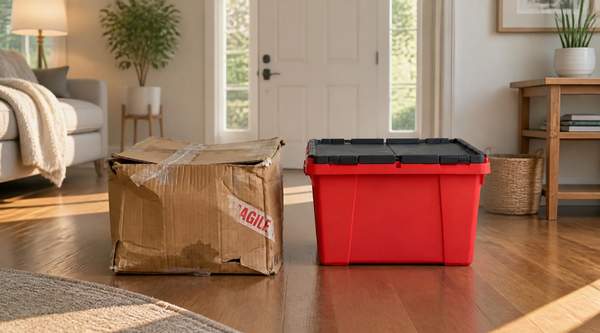
1. Set Your Rules Before You StartMaking decisions in the moment is exhausting. Professional organizer Kenika Williams, founder of Tidied by K, advises setting clear rules for yourself before you even touch a single item. This simple step removes emotion and guesswork from the process. "Whether it’s 'only keep what I’ve used in the last year' or 'everything must fit in one bin,' having boundaries in place before you begin makes decisions easier at the moment,'" she told aol.com. Your rules can be tailored to your specific goals. For your closet, a rule might be to let go of anything that no longer fits or anything you haven't worn in two seasons. For the kitchen, it could be getting rid of duplicate gadgets. Write your rules down and keep them visible to stay on track.

2. Ask the "Full Price" QuestionIt's easy to hold onto things because you spent money on them, even if you never use them. Lexy Ford, founder of Passion Organizing, offers a powerful question to break this cycle. She suggests you ask yourself, "Would I buy this item again today at full price?" If the answer is a clear no, it’s a strong signal that the item no longer holds real value for you. This reframes your perspective from past cost to present worth. It helps you detach from the "sunk cost" of the original purchase and make a decision based on your current life and needs. If it's not worth your money now, it's likely not worth your space either. According to Ford, these items should be donated or tossed without guilt.

3. Declutter First, AlwaysA frequent mistake homeowners make is trying to organize a cluttered space. Cathy Orr of The Uncluttered Life warns against this. "If you fail to declutter, you are just moving your stuff around," she explained to inkl.com. Organizing clutter doesn't solve the root problem; it just creates neater piles of things you don't need. Before you buy a single storage bin, you must first reduce the volume of your belongings. Orr recommends a simple sorting system with boxes labeled "trash," "donate," and "relocate." Every item must be sorted into one of these categories before you even think about where the remaining items will live.

4. Get It Out of the House ImmediatelyYou've made the hard decisions and filled your donation bags. The most critical next step is to get them out of your home as quickly as possible. According to aol.com, scheduling a donation pickup ahead of time is a brilliant accountability trick. It creates a firm deadline and prevents those bags from lingering in a hallway or garage, tempting you to second-guess your choices. Hester Van Hien, founder of Tidylicious, agrees, stating that unwanted items must leave the house as soon as possible. "You should make sure it's easy and quick to get things out of your home," she said. The longer decluttered items stay, the higher the chance they will be reabsorbed back into your home.

5. Abandon the Quest for PerfectionThe desire to create a "perfectly" organized home can be paralyzing. According to advice shared by inkl.com, overthinking the process and aiming for absolute perfection is a mistake that can stop you before you even start. Instead of trying to get everything flawless in one go, aim for significant progress. A great way to do this is by breaking the project into smaller, manageable chunks. One source suggests setting a timer for just 15 to 30 minutes each day. Anyone can find 15 minutes. This approach builds momentum and prevents overwhelm, allowing you to achieve a good standard that you can "improve little things daily." Progress is more important than perfection.

6. See the Project Through to the EndExperts warn against stopping decluttering prematurely, even after making a dent. Inkl.com reports that "clutter tends to return at a higher rate" when projects are left unfinished. Completing the entire process—sorting, purging, cleaning, and organizing—provides a clean slate, solidifies new systems, and makes long-term maintenance easier. Push through to the finish line to prevent fatigue from derailing your efforts.

Spring cleaning decluttering tips for homeowners

Spring provides a unique opportunity for a fresh start in your home. Nancy Meck of Meck Organizing encourages homeowners to embrace this period, stating, "That voice in your head telling you it’s time for a change is talking for a reason...let spring be your season for the reason!" Longer days and warmer weather offer the energy and motivation to tackle large projects that feel daunting during winter.

When spring cleaning, look beyond obvious surfaces. A common mistake is ignoring rarely seen or touched areas, such as air vents, baseboards, light switches, and door handles. Wiping these forgotten spots makes a surprising difference in how clean your home feels. A thorough clean, combined with decluttering, creates a refreshed and healthy living environment.

Maintaining a decluttered home: expert strategies

After ruthless decluttering, the challenge becomes maintenance. The goal is to prevent clutter's slow creep from reclaiming your newly organized space. This requires building new habits and creating systems that are easy for your family to follow. It shifts focus from a one-time purge to a new way of interacting with belongings.

To maintain your progress, continue to apply the rules you set during your initial declutter. For example, you can adopt a "one in, one out" policy, where you commit to letting go of an old item every time you bring a new one into your home. This is especially effective for things like clothes, books, and toys. You can also schedule mini-decluttering sessions—perhaps 10 minutes every weekend—to quickly sort through mail, tidy hotspots, and ensure everything is in its designated place. The key is consistency. Small, regular efforts are far more effective than letting things pile up until they require another massive overhaul.

What Happens Next

With these expert strategies, begin your ruthless decluttering project. Start by choosing one area—a single drawer, cabinet, or small closet—and apply these principles. Set your rules, be decisive, and see that one small task through to completion. This builds the confidence and momentum needed to tackle larger spaces.

The spring season is the perfect catalyst for this change. The ultimate question is whether this seasonal effort can become a sustainable, year-round habit. By focusing on creating simple systems and being mindful of what you bring into your home, you can move beyond a cycle of spring cleaning and cultivate a permanently organized and peaceful living space.