Organization

5 Common Organizing Mistakes and How to Fix Them

Getting organized can feel overwhelming, but often it's just a few simple missteps that stand between you and a peaceful, functional home. This guide breaks down the top five mistakes and how to fix them.

LQ
Layla Quinn

April 1, 2026 · 6 min read

A serene, organized living room bathed in warm sunlight, featuring neatly arranged shelves and a happy person enjoying their clutter-free space.

If you're looking for the most common organizing mistakes homeowners make and how to fix them, this guide is for you. Getting organized can feel overwhelming, but often it's just a few simple missteps that stand between you and a peaceful, functional home. This list is for anyone who feels stuck in a cycle of clutter, tidying, and more clutter. We will break down the top five mistakes that have the biggest impact on your home, ranked by how foundational they are to creating a lasting, stress-free system. You've got this!

This list was compiled by reviewing advice from several home organization publications and professional organizers to identify the most frequently mentioned mistakes.

5. Ignoring Hidden Spaces — The "Out of Sight" Trap

This mistake is for the homeowner who is great at surface-level tidying. Your countertops are clear and your living room looks neat, but your drawers, closets, and cabinets tell a different story. The "out of sight, out of mind" approach is a temporary fix that often leads to bigger problems. According to reporting from livingetc.com, ignoring areas rarely seen or touched, like hidden storage, is a common error. This hidden clutter creates a low-level sense of stress and can quickly spill out into your visible living areas, undoing all your hard work.

The main drawback of tackling this is that it can feel thankless since no one else sees the results. However, the emotional benefit of knowing your entire home is orderly is immense. Instead of trying to organize every hidden space at once, start small. Choose one drawer—just one. Empty it, decide what to keep, and put it back neatly. Next week, tackle the cabinet under the sink. By breaking it down into manageable, 15-minute tasks, you can conquer hidden clutter without the overwhelm. A place for everything means every place, even the hidden ones.

4. Overcomplicating Your System — The Perfectionism Problem

Do you spend hours creating a Pinterest-perfect pantry with decanted spices and color-coded labels, only to find it a mess a week later? This one's for you. Creating an overly complex organizing system is a frequent mistake, especially for those of us who love the idea of a perfectly curated home. The problem is that a system that is difficult to maintain will not be maintained. If it takes five steps to put away the groceries, you're more likely to leave them on the counter. An overly complicated system works against your natural habits instead of with them.
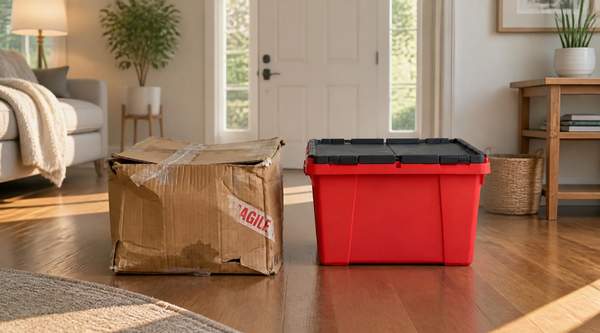
While a beautiful system is aesthetically pleasing, its primary function should be to make your life easier. This is a case where "good enough" is better than "perfect." The fix is to simplify. Use open bins instead of lidded ones for frequently used items. Use broad categories for labels (e.g., "Snacks" instead of separating by "Salty" and "Sweet"). Your organizing system should serve you, not the other way around. According to bhg.com, there are easy ways to organize a home that can last, emphasizing simplicity over complexity.

3. Having No Exit Plan for Clutter — The Revolving Door

You've done the hard work of sorting through a closet. You have a bag for donations and a box for trash. Then, they sit by the front door for a week. Then they move to the garage or the trunk of your car. This mistake is for the person who is great at making decisions but struggles with the final step. Without a clear and immediate exit strategy, clutter doesn't actually leave your home; it just relocates. This stalls your momentum and allows unwanted items to slowly creep back into your life.

Livingetc.com reports that forgetting to make an exit strategy—or making it too complicated—can deter decluttering efforts. An expert quoted in the article advises, "You should make sure it's easy and quick to get things out of your home." The solution is to make the exit plan part of the decluttering process itself. As soon as you fill a donation bag, put it in your car and schedule a time on your calendar for that week to drop it off. When you take out the kitchen trash, take the decluttering trash bag with it. Closing the loop is one of the most satisfying parts of organizing!

2. Buying Organizers Before You Declutter — Putting the Cart Before the Horse

It's so tempting. You see a sale on beautiful baskets and clear containers and think, "This is what I need to finally get organized!" This mistake is common among enthusiastic beginners who believe the right products are the magic solution. However, buying storage solutions before you've sorted and purged your belongings almost always backfires. You don't know what you truly need to store, so you end up with bins that are the wrong size or shape. Instead of solving the problem, these new items just add to the clutter and become a waste of money.

This is a critical mistake because it reverses the proper order of operations. You can't know what kind of storage you need until you know the exact inventory of what you're keeping. As noted by consumerreports.org, one of the top organizing mistakes is buying the wrong containers. The fix is simple: declutter first. Completely. After you've decided what to keep, group like items together. Then, measure your space and your items. Only then should you shop for containers that fit your specific needs. This ensures a perfect fit and a system that truly works.

1. Organizing Clutter Instead of Removing It — The Most Common Mistake

This is the number one organizing mistake because it's the foundation upon which all other clutter problems are built. This is when you spend a whole weekend "organizing" a room, but all you've really done is shuffle things around. You've put items into neat piles, bought new bins to hide them in, and arranged them nicely on a shelf. It looks better for a little while, but you haven't actually reduced the volume of stuff. You've just organized your clutter. This is why you feel like you're constantly tidying but never making real progress.

This mistake is so common because it feels productive, but it doesn't address the root cause of disorganization: having too much stuff. An expert quoted by livingetc.com puts it perfectly: "If you fail to declutter, you are just moving your stuff around. You have to let go to have less to clean and organize." The only true fix is to shift your mindset from organizing to decluttering. Before you arrange anything, you must edit. Pick up each item and decide: Do I need this? Do I use this? Do I love this? Be ruthless. Only once you've let go of the excess can you begin to create a truly organized and peaceful space. Let's tackle this together!

MistakePrimary Area AffectedThe Quick FixBest for Homeowners Who...
Organizing ClutterEntire HomeDeclutter first, then organize what remains.Feel like they're constantly tidying but never making progress.
Buying Organizers Too SoonClosets, Pantry, GarageMeasure your space and items *after* decluttering.Are tempted by sales on storage bins and baskets.
Lacking an Exit PlanEntryway, Car TrunkSchedule a donation drop-off immediately after sorting.Have bags of "to-donate" items sitting around for weeks.
Overcomplicating The SystemAny Organized SpaceChoose simple, easy-to-use solutions over complex ones.Are perfectionists who struggle with maintenance.
Ignoring Hidden SpacesJunk Drawers, CabinetsTackle one small, hidden area per week.Have tidy surfaces but chaotic cupboards.

How We Chose This List

To identify these common organizing mistakes, we reviewed guidance from multiple home and lifestyle experts, including sources like livingetc.com and consumerreports.org. The mistakes were selected based on how frequently they were cited by professionals as a barrier to achieving a truly organized home. We ranked them based on their foundational importance; for example, avoiding the number one mistake (Organizing Clutter) is the essential first step that makes it possible to avoid all the others. Our goal was to provide a clear, actionable hierarchy to help you start effectively.

The Bottom Line

Avoiding these five common mistakes can transform your relationship with your home, turning it from a source of stress into a peaceful sanctuary. If you are just beginning your organizing journey, focus all your energy on the first and most important step: declutter before you do anything else. For those who have already established systems, take a moment to simplify them and clear out those hidden spaces to achieve lasting order.