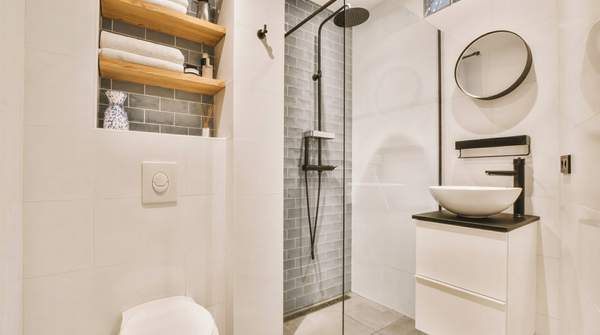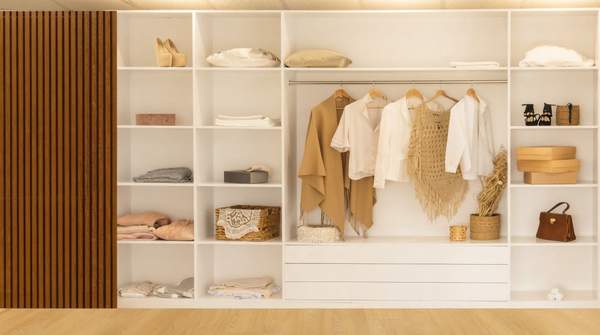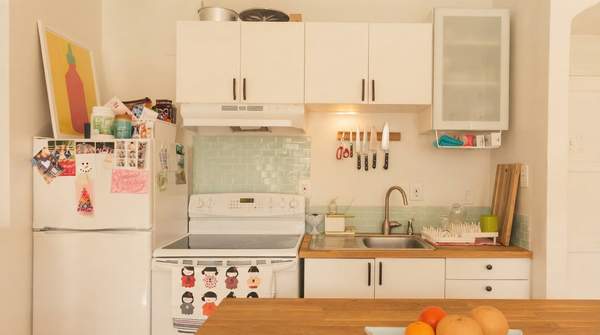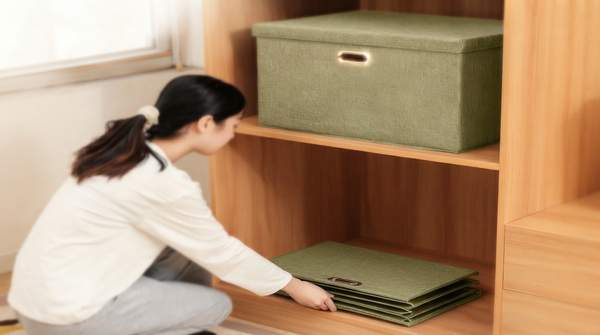
Before you buy a single storage bin, professional organizers say you should complete three stages: purge what you don't need, inventory what remains, and audit the containers you already own. Skipping straight to the store is the most common organizing mistake, because bins bought before decluttering simply hide clutter more neatly instead of solving it. Follow this framework and you'll end up with a clear "buy" or "don't buy yet" decision, plus the exact type and quantity of storage your home genuinely requires.
Your 3-Stage Pre-Purchase Storage Bin Decision Framework
The framework below synthesizes advice from multiple professional organizers into a sequential diagnostic process. Work through the stages in order, because each one changes what the next stage requires. The output is a documented decision: whether new bins are needed at all, and if so, what size, shape, and quantity.
| Stage | Action | Purpose | Key Insight |
|---|---|---|---|
| Stage 1: The Purge | Declutter all items first, categorizing by "like things" and by how you want to find and access them. | Avoid merely containing items you don't actually need, use, or want. | As professional organizer Wendy Trunz recommends, get rid of anything you truly don't need by disposing of it or donating it. |
| Stage 2: The Inventory | Measure the width, depth, and height of every shelf and drawer, noting adjustable shelves that allow wiggle room. | Accurate measurements prevent ill-fitting containers and define the storage system. | Categorizing everything first helps you determine the exact dimensions of the bins you'll need, which makes shopping easier. |
| Stage 3: The "Shop at Home" Audit | Assess and use existing containers—shoe boxes, gift boxes, baskets, and empty drawers—before buying new ones. | Freebie containers often work just as well as new ones and reveal what long-term storage you truly need. | Organizers suggest repurposing what you already own first; excess containers themselves become clutter. |
Stage 1: The Purge – Declutter Before You Contain
Start by looking at everything you plan to store before storing any of it. "Organizing clutter is not creating a system; it's just containing things that you don't actually need, use or want," says Shannon Littlehale, professional organizer and owner of Make Space NJ. Her point is blunt: until you've gotten rid of what doesn't belong, you can't know what the system should entail or which products fit your space.
Wendy Trunz, partner and head organizer at Jane's Addiction Organization, recommends sorting items into "like things" and grouping them by how you'd like to find and access them later. Then dispose of or donate anything you truly don't need. For tougher judgment calls, you can borrow tested prompts: The Spruce suggests getting rid of clothes you haven't fit into or worn in a year, while Marie Kondo's method asks, item by item, whether each possession sparks joy.
Stage 2: The Inventory – Measure Your Needs, Not Your Wants
Once the purge is done, take inventory of what's left and where it will live. Trunz explains that categorizing everything first helps you determine the depth, width, and length of the bins you'll need, which makes shopping easier. The contents drive the container: "If you are storing pictures, photo albums, framed pictures or holiday decor, the size and shape of the bins will change depending on what you're storing," she says.
Then measure the spaces themselves. The organizing company NEAT Method advises measuring every drawer and shelf where you need products, recording width, depth, and height, and noting any adjustable shelves that allow wiggle room. Keep a running list on your phone for easy reference, and double-check every measurement before adding anything to your cart. This step saves you from bins that don't fit, containers that hang off the edge, or drawers that won't close.
The payoff can be financial, too. Olivia Parks, owner and lead organizer of Professional Organizer New Orleans, says that after decluttering, you might find you don't need as many bins as you originally thought—or any at all.
Stage 3: The 'Shop at Home' Audit – Utilize Existing Solutions
Before heading to the store, audit what you already have. Most homes contain a ready supply of free containers: shoe boxes, gift boxes, diaper boxes, Amazon boxes, baskets, and non-matching bins left over from past organizing attempts. Decluttering also frees up empty drawers, shelves, and cabinets that can absorb some of what remains.
These freebie containers often work just as well as brand-new ones, and organizers suggest reaching for them first. Don't worry that they aren't pretty or matching—use them for now, and they'll give you a better idea of what long-term storage you might actually want to buy. There's a caution here as well: Home Storage Solutions 101, which runs a long-term decluttering program, reports that many people discover they own more bins than they need, and the excess containers themselves become clutter. Keeping a few spares is reasonable; assuming you'll refill every container is not the goal.
Common Organizing Mistakes to Avoid
The biggest error professional organizers see is buying storage bins before decluttering or knowing your exact needs. When you buy storage first, you're simply building a more efficient system for keeping things you don't need, don't use, or don't even like—and that's not organization. Most homes aren't messy because they lack containers; they're messy because they have too much stuff, and no amount of containers will solve a stuff problem.
The second trap is treating the container as the fix itself. The organizing industry often implies the right product will solve everything, but a bin purchased without a purge, an inventory, and a measurement just relocates the problem. If you notice yourself shopping for bins before you've sorted a single drawer, treat that urge as a signal to return to Stage 1 rather than to the checkout page.
Make Your Next Storage Purchase a Smart One
Homeowners should commit to completing all three stages of decluttering, inventorying, and auditing existing storage before purchasing any new bins. You'll know you're ready to shop—only if the audit shows a genuine gap—when you have a clear, itemized list of remaining items, precise measurements of available space, and a documented assessment of existing containers, indicating readiness for targeted bin selection. If those three artifacts exist and still point to a shortfall, buy exactly what the measurements call for; if they don't, your next step is another pass through the purge, not a purchase.
Sources
- Don’t Buy Storage Bins Until You Do This, Professional Organizers Say — Good Housekeeping
- Stop Buying Storage Containers... Do This Instead — Andreadekker
- How to Measure for Organizing Products — Neatmethod
- How To Declutter Storage Containers & Storage Boxes — Home Storage Solutions 101
- Primestorage