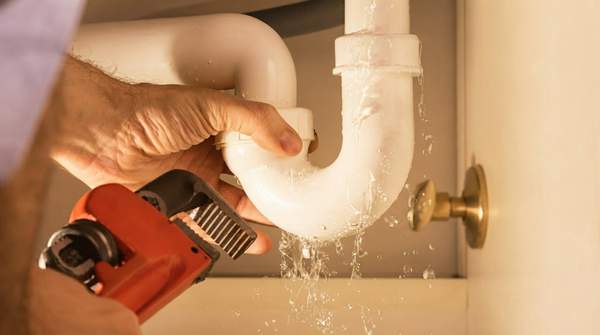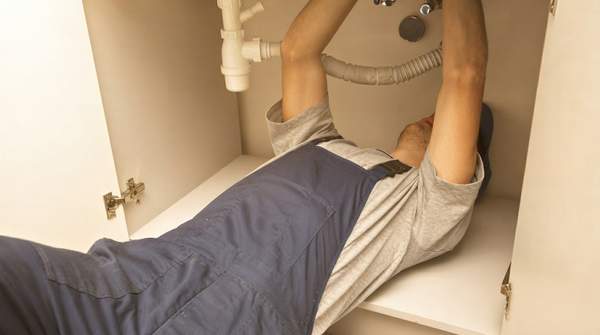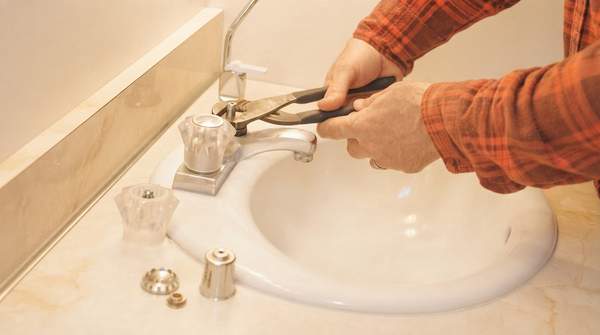
Most running toilets, slow drains, and dripping faucets are within reach of a homeowner with a plunger, a wrench, and the right replacement part. The real decision point isn't skill—it's recognizing the symptoms that separate a simple fix from a systemic problem. This guide compares the three most common household plumbing issues across the likely DIY fix, the basic tools required, and the red flags that mean it's time to hire a licensed professional.
Introduction: DIY vs. Professional Plumbing Decisions
Plumbing problems can be intimidating, and the fear of water damage or expensive repairs often makes homeowners hesitate before even a dripping faucet. Yet many common issues can be resolved without calling in a pro or risking further damage, as home improvement guidance from This Old House's Joseph Truini notes. The trade-off is real: professional labor typically runs $45 to $150 per hour, according to Mr Fix It Plumbing, so a successful DIY repair saves meaningful money. But a failed one can cost far more than the labor you skipped. The framework below applies only to minor, common issues—not major renovations, pipe replacement, or emergencies like burst pipes.
DIY vs. Pro: Common Plumbing Issue Decision Matrix
| Plumbing Issue | Likely DIY Fix | Basic Tools Needed | When to Call a Pro (Red Flags) |
|---|---|---|---|
| Running Toilet | Replacing a leaky flapper or flush valve seal when water leaks directly into the bowl | No specialized tools—the key is the correct replacement part ($2–$10) plus a beaded metal chain | Persistent leaks after flapper replacement, siphoning from the refill tube, or major water waste (up to 200 gallons/day from a warped flapper) |
| Slow Drain | Clearing minor, localized clogs with a plunger or chemical drain cleaner | Plunger; chemical drain cleaner for initial attempts | Frequent clogs, sewage backups, or multiple slow drains at once—signs of a possible main line issue |
| Leaky Faucet | Replacing a worn washer or O-ring, or clearing a clogged aerator | Adjustable wrench and screwdriver for disassembling and reassembling components | Persistent leaking after component replacement, low water pressure, or unusual pipe noises |
The matrix draws a boundary for each problem: if your symptom sits in the left columns, the fix is typically inexpensive and manageable; if it matches the right column, the underlying cause is likely beyond a simple part swap.