Keeping indoor relative humidity between 30 and 50 percent—and always below 60 percent—is the single most effective way to prevent mold growth in a home. That is the core guidance from University of Georgia Extension specialists, who note that mold needs moisture, a food source, an appropriate temperature and oxygen to grow, and that moisture is the one factor you can reliably control. The practical challenge is choosing the right fix for your situation: some moisture problems yield to free daily habits, others demand repairs, and humid climates often require mechanical equipment. This guide walks through each tier so you spend money only where it is needed.
Understanding Household Humidity and Mold Risk
Mold spores are effectively always present; what they lack indoors is usually water. Wood, textiles, paper, leather and even dust-coated surfaces provide abundant food, as UGA Extension's mold prevention publication explains, so eliminating food sources is impractical while controlling moisture is achievable. The 60 percent relative humidity threshold is the critical boundary: above it, mold thrives. Below 50 percent, spores are deprived of the damp environment they need to germinate, according to indoor air quality guidance from Panasonic, which describes humidity control as "turning off the gas line" that fuels mold. Between those numbers, lower is generally safer, which is why the ideal target band is 30 to 50 percent rather than anything approaching the maximum.
Identifying Common Sources of Indoor Moisture
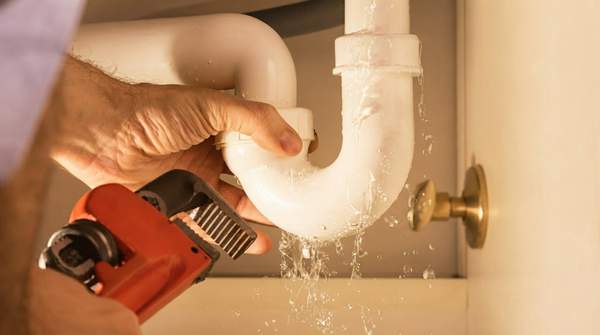
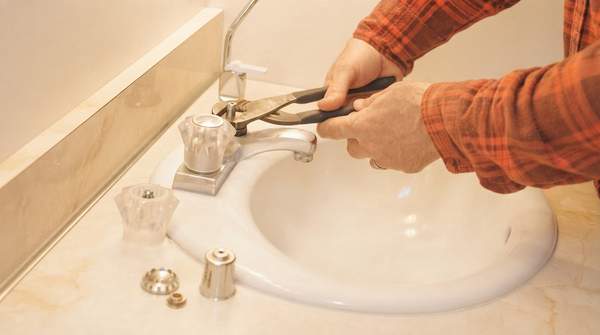
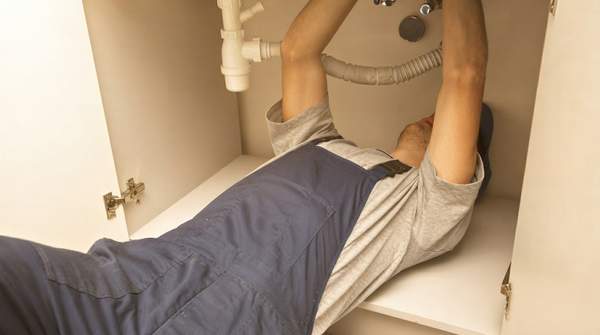
Before buying equipment, diagnose where your moisture comes from. UGA Extension's inspection guidance lists the most common culprits: leaky pipes and faucets, skipping exhaust fans while bathing or cooking, air conditioning system flaws such as oversized units, duct leaks or dirty coils, clogged gutters and building leaks around roofs and windows, and poor water drainage around the house. The EPA adds that climate shapes the problem: the hot, wet South faces different moisture issues than the cold Northeast or the arid Southwest, and even air conditioners that cool air too quickly may fail to run long enough to remove excess moisture. Daily activities—cooking, showering, laundry—are an ongoing source in nearly every home, while leaks and intrusion introduce water directly and demand immediate attention, since mold can begin growing on a wet surface within 24 to 48 hours.