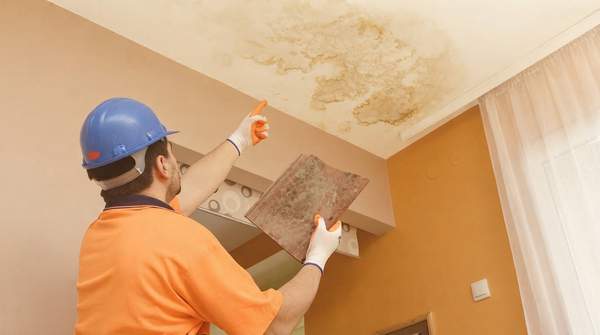
An average professional mold removal job in the U.S. costs around $2,347, according to FDP Mold Remediation. This substantial expense often stems from issues simple preventative measures could address. Mold issues are largely preventable through basic home maintenance, yet many homeowners pay thousands for professional remediation due to delayed action. This creates a tension between easily managed prevention and costly, reactive intervention. Homeowners who invest in basic moisture control can significantly mitigate both financial burdens and health risks associated with mold.
Understanding the Hidden Threat of Household Mold
Mold, a ubiquitous fungi, flourishes in damp, humid environments, posing structural and health risks. The WHO highlights that preventing persistent dampness and microbial growth is the most important means to avoid adverse health effects. Proactive moisture control is paramount for maintaining health and home integrity.
Mold degrades building materials, compromises indoor air quality, and triggers allergic reactions or respiratory problems. Financially, ongoing dampness leads to rot, structural damage, and diminished property value. Homeowners pay a 'neglect tax' of thousands; the average $2,347 professional mold removal cost is largely avoidable with consistent dampness prevention, as the WHO indicates. Addressing dampness at its source—managing leaks, ensuring ventilation, and controlling indoor humidity—safeguards your home and wallet from costly mold interventions.
Your First Line of Defense: Proactive Prevention
Targeted environmental controls offer a powerful, cost-effective defense against mold. Homes with central air conditioning had a 2.5 units lower moldiness index, according to PMC data, showing the impact of consistent humidity management. Effective ventilation and temperature regulation create a less hospitable environment for mold.
Counterintuitively, carpeting was negatively associated with a higher moldiness index, based on PMC data. This challenges the assumption that carpets are primary mold breeding grounds. Homeowners should shift focus from flooring to fundamental issues like persistent dampness and lack of central air conditioning, which PMC links to higher mold indices.