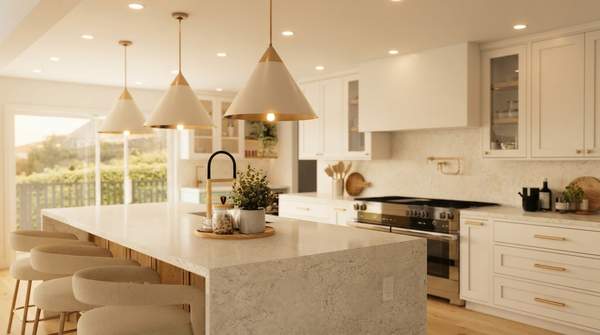
Fluted cabinetry, once a darling of design magazines and a perceived beacon of sophistication, peaked in saturation around 2023, now risking making kitchens feel instantly dated rather than uniquely stylish, according to Homes and Gardens. This rapid ascent to ubiquity means an elegant textural detail has become a common design shortcut, inadvertently stamping a specific, fleeting moment onto countless homes. Navigating decor trends while seeking timeless design presents a unique challenge for homeowners.
Homeowners seek unique, personalized spaces that reflect their individual tastes and lifestyles, yet they frequently gravitate towards popular trends that, by their very nature, quickly become ubiquitous and lose their distinctiveness. This creates a tension: the desire for individuality clashes with the widespread adoption of elements intended to be fresh and modern, often leading to a paradoxical sense of sameness.
A thoughtful balance of enduring elements with minimal, carefully chosen trends will likely yield a more satisfying and long-lasting aesthetic than chasing every new design wave, ensuring a home remains genuinely personal and timeless rather than rapidly obsolete.
When Trends Become Shortcuts
Fluted kitchen cabinets exemplify how quickly a design element can transition from fresh to ubiquitous. Its saturation in 2023, as reported by Homes and Gardens, means heavy reliance on this single trend now dates a kitchen, rather than offering timeless appeal. What begins as a novel way to add texture often becomes a signifier of a specific period, much like avocado green appliances or shag carpets of decades past.
Designers now see fluted cabinetry as a ubiquitous shortcut, appearing on countless surfaces and in mass-produced items. This widespread adoption, while making the trend accessible, paradoxically strips it of its unique charm. The very omnipresence that draws us in also accelerates its journey to becoming dated, trapping homeowners in a cycle of aesthetic obsolescence. Investing heavily in such 'it' trends effectively signs an aesthetic expiration date for kitchens, rather than crafting enduring style, a clear implication from Homes and Gardens' observation of its 2023 saturation peak.
This rapid shift from fresh to common shortcut creates a profound disconnect. The desire to personalize a space through popular trends inadvertently leads to generic, time-stamped designs, rather than fostering enduring individuality. Homeowners often find their initial intent for uniqueness undermined by the very popularity they embraced.
The Allure of the Moment
Despite the risks of rapid obsolescence, the allure of current design trends remains strong, often driven by their initial novelty and perceived modernity. Homeowners are naturally drawn to what is new and fresh, hoping to imbue their spaces with a contemporary feel. The excitement of incorporating a celebrated design element, seen across design blogs and social media, can be a powerful motivator.
This initial appeal often stems from the trend's ability to offer a quick, visible update, making a space feel current without a complete overhaul. For instance, the introduction of a unique texture or color palette can instantly refresh a room, providing a sense of revitalization. However, this very popularity can quickly lead to its overuse, diminishing its unique impact and accelerating its journey towards becoming commonplace. The rapid lifecycle of a design trend, peaking in saturation within a few short years, means that homeowners investing heavily in such elements are effectively designing for immediate obsolescence rather than long-term aesthetic value.
The perceived sophistication or uniqueness of a new trend can be deceptive; its widespread embrace often transforms it from an innovative statement into a conventional choice. This shift means that what was once a distinctive element quickly loses its power to personalize, instead blending into a broader, transient aesthetic. Understanding this cycle is crucial for homeowners aiming to create spaces that truly reflect their personal style, rather than merely reflecting the prevailing fashion.
Beyond Ubiquity: The Risk of Visual Clutter
Beyond the issue of ubiquity, improper application or over-reliance on a single trend often leads to significant aesthetic failure, particularly as visual clutter. Using fluted cabinetry across an entire kitchen, for instance, risks overwhelming the space if texture is not used effectively to create contrast, a warning issued by Homes and Gardens. This reveals a common pitfall: the assumption that more of a good thing always translates to a better outcome.
The widespread adoption of a specific textural trend, intended to add sophistication, can paradoxically backfire by creating visual clutter rather than elegance if not expertly balanced. When a single textural element is applied indiscriminately throughout a space, it can overwhelm the eye, negating its intended effect of adding depth or interest. Instead of creating a refined look, an overabundance of texture can make a room feel busy and disjointed, detracting from its overall harmony.
Homes and Gardens' warning about 'visual clutter' from overusing fluted cabinetry confirms a crucial design principle: even aesthetically pleasing textures can overwhelm a space. This proves that more isn't always better, especially with fleeting trends. A popular trend demands careful consideration of balance and contrast to avoid losing its intended aesthetic impact. Homeowners must consider how various elements interact, ensuring each choice contributes to a cohesive, calming environment rather than a chaotic one.
Crafting Enduring Style
To cultivate enduring personal style, homeowners should prioritize foundational, timeless elements and integrate trends sparingly as accents. This strategic approach ensures a home's aesthetic remains fresh and genuinely reflective of personal taste over time, rather than falling victim to rapid design cycles. Consider classic materials like natural wood, stone, and neutral color palettes as the backbone of your design. Instead of installing trendy fluted panels on every cabinet door, perhaps consider a single fluted island front or a textured accent piece in a less permanent form, such as a decorative vase or a lamp base. These smaller, more flexible applications allow for engagement with current styles without committing to a potentially short-lived aesthetic across major investments.
By Q3 2026, many homeowners will likely seek to update spaces where hyper-trendy elements have already begun to feel dated, proving the enduring value of a balanced design philosophy for future renovations.