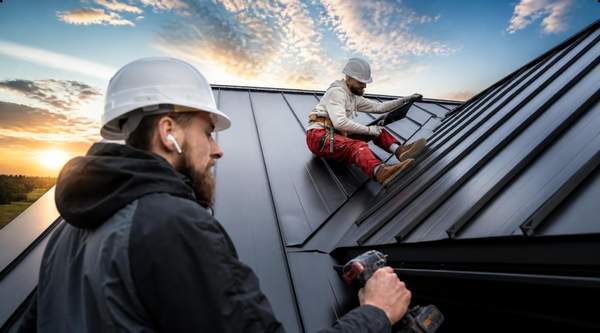
In a housing market where existing home sales have plummeted to multi-year lows, spending on home renovations is projected to reach record highs. An unexpected surge in home improvement activity signals a significant shift in how homeowners approach their properties in 2026, opting to enhance current spaces rather than seek new ones.
The housing market is stalled with historically low transaction volumes, but homeowners are pouring unprecedented amounts of money into upgrading their existing properties, creating a challenging situation for those looking to buy, as fewer homes become available.
A prolonged period of reduced housing mobility and increased investment in existing housing stock is suggested, which will likely exacerbate inventory shortages for new buyers and reshape the real estate industry.
Trapped by Rates: Why Moving Became Unaffordable
In August 2026, mortgage interest rates remain elevated, making new home purchases less accessible for many.
- Many homeowners feel locked into their current properties due to high interest rates, which make selling and buying a new home financially prohibitive, according to Realtor.
- Existing home sales dropped significantly, contributing to a lack of available inventory for buyers, as reported by video: August 10, 2026, economic and housing market outlook.
- Housing inventory across the United States remains historically low, with some states experiencing more severe shortages, according to Fast Company.
- The median home price continued to appreciate through 2026, further increasing the cost of entry for potential buyers, according to Realtor.com.
- For homeowners with low existing mortgage rates, moving means trading a lower payment for a significantly higher one, a major deterrent.
- This confluence of elevated mortgage rates and persistent home value appreciation has effectively locked many homeowners into their current properties, making a new purchase financially daunting.