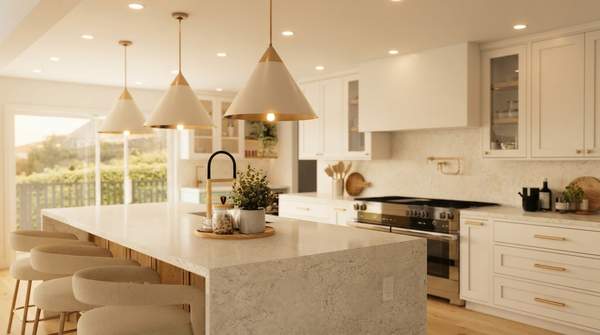
At a recent industry preview, West Elm's Fall 2026 collection dedicated an entire room to undulating sofas and abstract ceramic vessels, a stark departure from their previous minimalist textiles, according to the Industry Preview Report. This extensive display marks a significant shift in mainstream home decor. Major retailers like CB2 and Crate & Barrel also dedicate substantial floor space to sculptural furniture and objects for upcoming collections, Retailer Q3 Reports note. Sculptural aesthetics are moving from niche appeal to a defining trend.
But demand for unique, artisan-crafted sculptural decor soars, even as the market saturates with affordable, mass-produced imitations. Pinterest searches for 'organic modern decor' and 'curved furniture' surged by 150% in six months, according to the Pinterest Trends Report. The surge in Pinterest searches fuels both artisan demand and replica proliferation.
While sculptural decor becomes ubiquitous, discerning consumers will increasingly seek provenance and craftsmanship. This creates a two-tiered market where authenticity commands a premium, challenging traditional perceptions of value in home furnishings.
The Rise of Form: What Defines Sculptural Decor
- Sculptural decor encompasses furniture with organic curves, abstract ceramic vessels, and lighting fixtures that double as art pieces, prioritizing form over traditional function, according to the Design Dictionary.
- The global market for 'art-inspired home furnishings' is experiencing significant growth, driven by this trend, a Market Research Firm Report indicates. The significant growth in the global market confirms the commercial viability of art-inspired home goods.
- Leading interior designers like Kelly Wearstler and Athena Calderone feature bespoke sculptural pieces in high-profile projects, Architectural Digest reported, cementing sculptural forms as a high-design aesthetic.
This trend marks a fundamental shift towards homes as curated galleries. Everyday objects are chosen not just for utility, but for artistic merit. Consumers seek pieces that evoke emotion and serve as conversation starters.
The Craft vs. Copy Conundrum
Demand for artisan-crafted ceramics and hand-blown glass, often with irregular forms, has driven a 40% price increase in the past year due to limited supply, according to an Artisan Market Analysis. The 40% price increase reflects a strong consumer desire for genuine artistry.
However, mass-produced replicas of iconic sculptural designs flood online marketplaces. They often cost a fraction of originals and use inferior materials, E-commerce Analytics shows. This influx challenges original creators, who struggle to compete on price and scale.
A survey found 60% of consumers prioritize aesthetic appeal and price over material provenance when buying sculptural decor, a Consumer Preferences Study details. The accessibility-driven behavior of 60% of consumers commodifies sculptural aesthetics. It threatens the artistic integrity and long-term value of genuine artisan work, risking normalization of lower-cost imitations.
Why Now? The Cultural Undercurrents
The 'quiet luxury' aesthetic, emphasizing understated elegance and quality, now incorporates statement sculptural pieces for subtle distinction, Luxury Home Magazine notes. These pieces allow individuality within a refined style, moving beyond purely minimalist forms.
Post-pandemic, a heightened desire for comfort, individuality, and connection to nature emerged. Organic, sculptural forms naturally fulfill this need, according to a Sociological Trends Report. Homes become personal sanctuaries, reflecting a deeper need for well-being and unique self-expression.
Younger demographics, including Gen Z and Millennials, increasingly invest in unique, artistic decor over traditional framed art, viewing homes as extensions of personal brand, a Houzz Consumer Survey reveals. This trend blends a desire for personal expression with a sophisticated, approachable aesthetic.
The Future Form: What Comes Next for Sculptural Interiors
Sustainability concerns drive a preference for natural materials like wood, stone, and clay in sculptural forms, pushing manufacturers towards ethical sourcing, according to an Eco-Design Institute Study. Consumers increasingly value both aesthetic appeal and environmental responsibility.
Experts predict a growing divide between 'fast decor' sculptural pieces and investment-grade artisan works, creating a two-tiered market, states the Design Futures Institute. This divergence will require consumers to become more discerning, carefully evaluating provenance and craftsmanship.
New technologies like 3D printing enable personalized sculptural elements, potentially bridging the gap between mass production and unique design, a Tech in Design Review suggests. This innovation could offer more accessible customization. The future of sculptural decor will likely involve continuous negotiation between affordability and authenticity, with technology playing a key role in customization for a diverse consumer base.