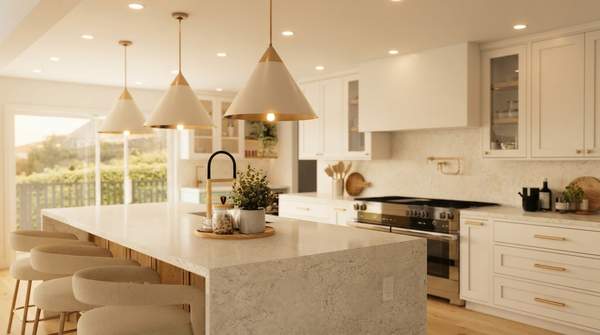
Imagine standing in front of a wall of a thousand paint chips, each a tiny promise of a new beginning for your room. This guide on how to choose paint colors for different rooms is designed to turn that overwhelming moment into an exciting one. The perfect shade can do more than just cover a wall; it can craft a mood, define a space, and turn a house into a home that feels uniquely yours. Yet, the color you see on that small paper square is rarely the one that appears on your walls. Paint colors can appear differently depending on the time of day and the type of light source, a fundamental truth that is the key to making a confident choice. With a few simple tweaks to your selection process, you can transform your space with a color that you’ll love from the morning's first light to the evening's warm glow.
Who Needs This Paint Color Guide?
This guide is for you if you're standing at the crossroads of a home project, feeling both the thrill of possibility and the weight of decision. Perhaps you're a new homeowner, eager to infuse your personality into a space that doesn't yet feel like your own. You might be preparing to sell and need to select appealing, neutral shades that create a welcoming canvas for potential buyers. Or maybe you're simply ready for a change, looking to refresh a room that has started to feel tired or uninspired. If you find yourself saving countless inspiration photos but feel stuck when it comes time to purchase a sample pot, this step-by-step process will provide clarity.
However, this detailed approach might not be necessary for everyone. If you have already hired a full-service interior designer, they will likely guide you through a professional color consultation, making the process much simpler. Similarly, if you are a seasoned decorator who intuitively understands color theory and has a trusted palette of go-to shades, you may already have the confidence to choose. And, of course, if you are perfectly content with your current wall colors or are exploring other wall treatments like wallpaper or wood paneling, you can save this guide for a future painting project. For everyone else, let’s demystify the art of choosing the perfect paint color.
How to Choose Paint Colors Based on Room Lighting
The single most influential factor in how a paint color will look in your home is light. It’s a dynamic element that changes from morning to night, and the color on your walls will change right along with it. The relationship between light and color is the first and most crucial consideration in your decision-making process. A soft gray in the store can suddenly reveal surprising purple undertones in the cool morning light of an east-facing room, while a gentle cream might look overly yellow under the warm glow of artificial evening lamps.
First, consider the natural light your room receives. North-facing rooms get cool, indirect light all day, which can wash out some colors or emphasize their cooler undertones. To counteract this, you might lean toward warmer colors or whites with a creamy base. East-facing rooms receive bright, warm light in the morning and cooler, indirect light in the afternoon. A color in an east-facing room will look dramatically different at 8 a.m. than it does at 4 p.m. Conversely, west-facing rooms are cooler in the morning but are bathed in a warm, almost fiery light in the late afternoon and evening. South-facing rooms are the easiest to work with, as they receive consistent, warm-toned light throughout the day, which makes most colors look their best.
Artificial lighting also plays a significant role. As noted by paint experts at Sherwin-Williams, different types of bulbs cast different hues. Incandescent bulbs typically give off a warm, yellow light that enhances reds and yellows but can dull down cooler blues and greens. Halogen bulbs produce a whiter light, closer to natural daylight. LEDs and fluorescent bulbs vary widely; some are cool and bluish, while others are designed to be warm. Before you commit to a color, be sure to observe it under the same artificial lighting you use in the evenings.
The best way to test a color is not on your wall. Instead of painting a small, permanent patch that will be influenced by the existing wall color around it, the professionals at Benjamin Moore suggest a more flexible method. Paint a large swatch—at least two feet by two feet—on a piece of white poster board or foam core. This creates a portable sample you can move around the room. Tape it next to the window, place it in a dark corner, hold it behind your sofa, and check on it at different times of the day: morning, noon, and night. This simple technique is the key to understanding how a color will truly live in your space, allowing you to make a choice with confidence.
Best Paint Colors for Creating Different Moods
Color is a language that speaks without words, and the shades you choose for your walls will set the emotional tone for your room. Before you even consider a specific hue, ask yourself: how do I want to feel in this space? Do you envision a serene sanctuary for rest, an energetic hub for family activity, or a sophisticated backdrop for entertaining guests? The chosen paint color should not only be beautiful but should also reflect the desired mood and complement the room's primary function.
Paint colors are generally categorized into families that evoke distinct feelings. According to the color experts at Wallauer, warm color palettes—which include reds, oranges, and yellows—tend to evoke feelings of energy, optimism, and coziness. These are often excellent choices for social spaces like dining rooms and kitchens, where they can stimulate conversation and appetite. Think of a soft, buttery yellow to create a cheerful kitchen or a deep, earthy terracotta for a dining room that envelops guests in warmth.
Pale blue creates a spa-like atmosphere in a bathroom, while deep forest green can turn a bedroom into a tranquil retreat. These cool tones—blues, greens, and soft purples—are known for calming and soothing effects, making spaces feel restful and expansive, ideal for private sanctuaries like bedrooms, bathrooms, and home offices where concentration and tranquility are desired.
The secret to mastering mood lies in understanding undertones. Every paint shade, even a seemingly simple white or gray, possesses undertones—subtle hints of other colors that lie beneath the surface. A gray might have a blue (cool), green (cool), or beige (warm) undertone, and that subtle difference will completely change the feel of the room. When you're trying to create a specific mood, pay close attention to these undertones. For a cozy, inviting living room, a "greige" (a mix of gray and beige) with its warm undertones will feel much more welcoming than a stark gray with chilly blue undertones.
Matching Paint Colors with Existing Furniture and Decor
Before looking at paint chips, take careful inventory of your space's fixed and movable features. Your paint color must harmonize with items you already own, creating cohesive palettes that tie together all room elements. These existing elements are not obstacles; they are your best source of inspiration.
Start with the permanent fixtures—the things that are difficult or expensive to change. This includes flooring, kitchen cabinets, countertops, bathroom tile, and stone or brick fireplaces. These features have their own distinct colors and, just as importantly, their own undertones. Does your hardwood floor have a warm, reddish tint or a cool, ashy one? Is your granite countertop flecked with warm gold or cool silver? Your wall color should share a similar undertone to create a seamless, intentional look. Holding a paint chip directly against these surfaces is a crucial step in narrowing down your options.
Next, look to your largest decor items for inspiration. Your sofa, area rug, or a significant piece of artwork can provide the perfect jumping-off point for a color scheme. Is there a secondary color in the pattern of your rug that you'd like to highlight? Pulling a less dominant color from a textile or piece of art and using it on the walls can create a sophisticated, designer-curated feel. For example, a soft sage green drawn from the leaves in a floral armchair fabric can be the perfect shade to unite the entire room. This approach ensures that your new wall color will complement, rather than compete with, your cherished belongings.
Build a palette by creating a color scheme within the same half of the color wheel, using analogous colors like blue, green, and teal for a harmonious, serene feel. For a more dynamic, energetic space, pair complementary colors from opposite sides of the wheel, like blue and orange; this creates invigorating tension. Ensure chosen colors' undertones work well together and with your home's fixed elements.
Our Recommendations
- The First-Time Homeowner: Looking for a versatile backdrop for current and future furniture? Start with a sophisticated neutral white. Be warned: HGTV notes choosing white can be challenging, with over 600 shades available. For cozy, traditional spaces, consider a warm white with subtle yellow or red undertones. For a modern, crisp look, a cool white with blue or gray undertones makes a space feel clean and bright.
- The Serenity Seeker: Create a peaceful retreat with cool, nature-inspired colors. Soft blues, gentle greens, and muted grays with cool undertones have a calming psychological effect, perfect for bedrooms, reading nooks, and bathrooms. A misty sea glass green or soft, cloudy blue transforms a room into a personal sanctuary.
- The Bold Maximalist: Want a vibrant home reflecting your personality? Don't fear deep, saturated color. Pull a jewel tone—emerald green, sapphire blue, or ruby red—from art for a dramatic feature wall or an entire room. Darker colors make large rooms feel intimate and luxurious. For a dynamic space, use the color wheel to find a complementary accent color for high-energy decor.
- The Family-Focused Entertainer: Your home is a central hub for gatherings, needing welcoming and durable color. Consider warm, inviting neutrals like "greige" (gray and beige blend) or soft, buttery yellows for a cozy, sociable atmosphere. In high-traffic areas, select an eggshell or satin finish; it's more durable and easier to clean than flat or matte, keeping walls fresh.
Frequently Asked Questions
How do I test a paint color before committing?
The most effective way to test a paint color is to see it in your own home's unique lighting. Purchase a sample pot and paint a large swatch, at least two feet by two feet, onto a white poster board. This allows you to move the sample around the room without permanently marking your walls. Observe it in a dark corner, next to a window, and beside your largest furniture pieces. Most importantly, look at it at various times throughout the day—morning, afternoon, and evening with the lights on—to see how it changes.
What are paint undertones and why do they matter?
An undertone is the subtle, underlying hue within a paint color. For example, a gray paint might have a blue, green, or even purple undertone (making it cool) or a brown or yellow undertone (making it warm). Undertones are critically important because they determine how a color will interact with other elements in your room. A paint color with the wrong undertone can clash with your flooring, furniture, or countertops, making the whole space feel "off" even if you can't quite put your finger on why.
Should I choose my paint color first or last when decorating a room?
Most interior designers recommend choosing your paint color last. It may seem counterintuitive, but there are thousands of paint colors available, making it much easier to find a shade that matches your furniture, fabrics, and artwork than it is to find fabrics that match a preconceived wall color. Start by selecting your "must-have" items with more limited options, like a sofa or a rug, and then use them as inspiration to find the perfect complementary paint color.
How does paint finish affect the color?
The paint's finish, or sheen, has a significant impact on how the color is perceived. A flat or matte finish has very little shine and is excellent at hiding minor imperfections on walls, but it's typically less durable. An eggshell or satin finish has a slight sheen, reflects a small amount of light, and is much easier to clean, making it ideal for most rooms. Semi-gloss and high-gloss finishes are highly reflective, which can add dimension and make a color appear richer, but they also highlight every flaw on a surface and are best reserved for trim, doors, and cabinetry.
The Bottom Line
Confidently narrow down endless paint options by considering your room's unique lighting, desired mood, and existing decor. Gather inspiration from your home, then head to the paint store for promising sample pots. Begin testing them in your space to find the shade that truly makes your house feel like home.