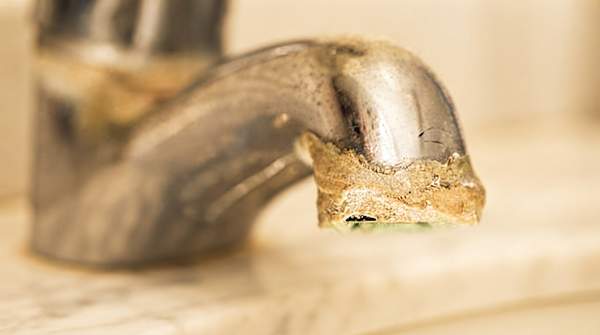
Hard water slowly damages your home the same way everywhere: dissolved calcium and magnesium settle out of the water and build up as mineral scale inside pipes, heating elements, and appliance internals. The damage is real but gradual, so your best defense is recognizing the pattern early. Here is how the mechanism works in each major appliance, followed by a room-by-room checklist you can use to judge whether your home shows the warning signs.
Understanding Hard Water: The Invisible Threat to Your Home
Water becomes "hard" when groundwater passes through mineral-rich soil and rock, picking up calcium and magnesium along the way, as Watercheck's Steve Tischler explains. The resulting water is generally considered safe to consume, but those same minerals cause problems throughout a house. According to figures Easton Water Solutions attributes to the U.S. Geological Survey, roughly 85% of American homes have hard water—meaning most homeowners are living with its effects, often without connecting their symptoms to their water supply.
The core chemical problem is simple. The U.S. Geological Survey explains that the minerals in hard water react with most soaps to form "soap scum," an insoluble substance that can temporarily adhere to your hands or shower walls. That reaction is why soap struggles to lather, why residue clings to dishes and fabric, and why scale accumulates wherever water sits or flows repeatedly.
How Mineral Scale Damages Your Water Heater
Water heaters are especially vulnerable because they combine heat, standing water, and minerals. As WaterBoss describes it, the minerals create a layer of sediment at the bottom of the tank, forcing the heating element to work harder to maintain the desired temperature. Scale on the element itself acts as an insulator between the heat source and the water it is meant to warm.
The consequences compound over time. Watercheck notes that accumulated calcium carbonate deposits force appliances to work harder, especially when heating water, increasing monthly energy bills over time. Reynolds Water Conditioning Company lists the downstream effects of scale buildup in water heaters and similar equipment: lower efficiency, longer run times, higher utility bills, frequent repairs, and shorter equipment lifespan.
The lifespan penalty is measurable. An article by Homewater101, based on research by the Water Quality Research Foundation and cited by Advanced Water Systems Group, compared average lifespans for appliances running on hard versus soft water: electric water heaters lasted 6.5 years on hard water versus 13 on soft, and gas water heaters 5.5 versus 11 years. In other words, hard water roughly halved the working life of both types.