Smart Irrigation
4 articles
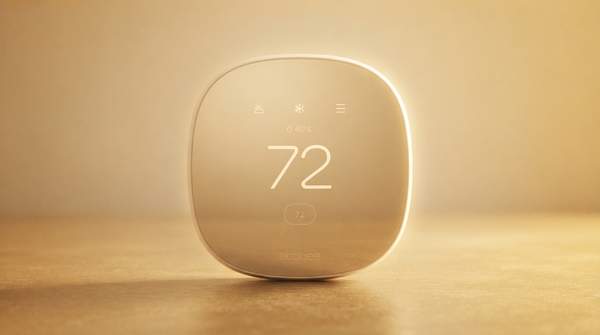
Which Smart Home Devices Save the Most Energy and Water? A Homeowner's Guide to Prioritizing
Smart home devices like thermostats, lighting, and irrigation controllers offer significant savings on energy and water bills. This guide helps homeowners prioritize investments by comparing the conservation impact of various smart home technologies.

Weather-Based vs. Soil Moisture: Choosing a Smart Irrigation System for Your Home
Smart irrigation systems replace fixed watering schedules with technologies that respond to actual conditions. Homeowners can choose between weather-based controllers that use climate data or soil moisture sensors that measure water directly in the root zone, with the best option depending on landscape, climate, and maintenance preferences.

What Are Smart Irrigation Systems and Why Do They Matter?
A proposed smart irrigation system can precisely control watering rates from 60% to 90% of field capacity, according to Nature .

How Smart Irrigation Systems Work: Sensors, Controllers, and the Water They Save
Smart irrigation systems automate watering by using environmental data like weather and soil moisture to adjust schedules, significantly reducing water waste and costs. They operate through data collection, intelligent processing, and automated action, offering substantial savings compared to traditional timers.