Despite the allure of low-maintenance native plant gardens, many homeowners unknowingly set themselves up for thousands in future repairs by prioritizing only the cheapest upfront design options. While seeking sustainable outdoor designs, they often fall into the trap of prioritizing low initial costs, leading to significantly higher long-term expenses. The pursuit of an 'outdoor oasis' without strategic investment in design and quality materials inevitably results in frustration, recurring costs, and a space that fails to deliver its promised value.
Embracing Eco-Friendly Alternatives
1. Native and Edible Plants
Best for: Eco-conscious homeowners seeking natural beauty and reduced upkeep.
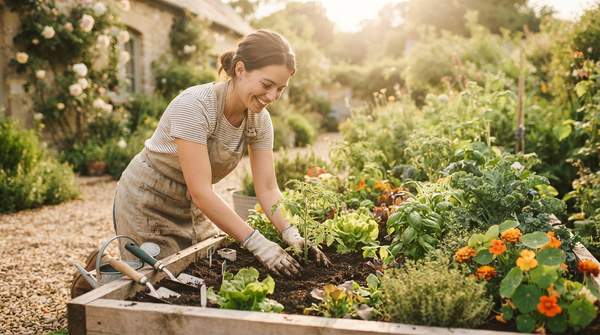
Native plants dominate current backyard design trends, favored by both Real Simple and Business Insider. Edible gardens also integrate seamlessly, offering aesthetic appeal and practical yields. This dual approach supports local ecosystems and requires less water once established, making them a truly sustainable choice.
Strengths: Biodiversity support, reduced water usage, natural aesthetic | Limitations: Initial plant selection and soil preparation can be complex, requires research | Price: Moderate initial investment for diverse plant stock.
2. Lawn Alternatives
Best for: Those looking to minimize traditional lawn maintenance and water consumption.
Lawn alternatives, a key backyard design trend noted by Real Simple, include clover, sedum, or groundcovers. These options drastically reduce the need for mowing and chemical treatments. They offer diverse textures and can thrive in various light conditions, transforming a high-maintenance lawn into a resilient, eco-friendly landscape.
Strengths: Water conservation, less mowing, diverse groundcover | Limitations: Can take time to establish, may not withstand heavy foot traffic | Price: Varies depending on selected alternative, generally comparable to sod.