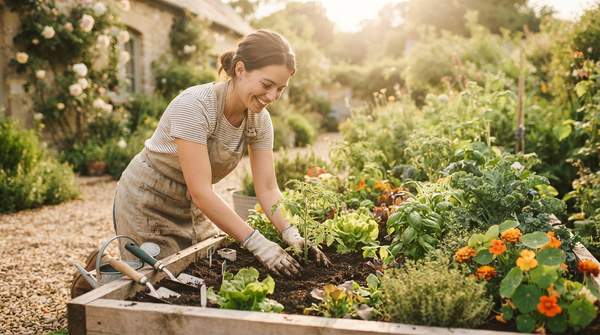
A single patch of well-chosen native plants, a few flat stones, and a shallow water dish can transform your backyard into a bustling sanctuary for declining bee and butterfly populations. This targeted approach provides essential resources for local wildlife, turning even modest urban spaces into vital ecological anchors. Such efforts collectively bolster biodiversity, offering a tangible solution to widespread habitat loss in 2026.
Many assume creating an ecologically impactful garden requires vast space and expertise. Yet, even a small, thoughtfully designed plot significantly boosts local pollinator health. The true power lies in understanding specific needs, moving beyond mere aesthetics to provide a complete micro-habitat. This approach counters the common misconception that significant environmental contributions demand extensive resources. Empowering individuals with practical steps is crucial for mitigating broader ecological decline.
Why Your Garden Matters: The Pollinator Crisis and Your Role
Declining pollinator populations make creating supportive habitats urgent in 2026. An ideal pollinator garden includes more than just flowers; it integrates flat stones for sunning, taller rocks and dense shrubs for shelter, and shallow water sources for hydration, according to ecooptions. This strategic integration transforms a simple garden into a complete micro-ecosystem, offering essential resources beyond nectar and pollen.
Providing these structural elements proves effective ecological support extends beyond plant selection. Pollinators require safe spaces to rest, regulate body temperature, and access water. These additions are as vital as the plants themselves. This comprehensive approach ensures the garden becomes a truly welcoming and sustainable haven for various species, shifting the focus from mere planting to holistic habitat creation.
Your Step-by-Step Guide to a Thriving Pollinator Haven
Starting your pollinator garden in late spring 2026 requires careful planning for optimal success. Plant after the last frost date. Choose a location with at least six hours of sunlight and well-drained soil, according to ecooptions. These conditions establish a foundational environment where plants and pollinators can thrive.