Mold on stored clothing is almost always a moisture problem you can fix. Public health authorities are blunt about it: mold grows where there is moisture, and controlling indoor moisture is the primary method of mold control. That means the damp sweater shoved in a drawer, the plastic-wrapped winter coat, and the overstuffed closet against a cold exterior wall are the real culprits—not bad luck. Here is how to diagnose your storage areas and correct them, plus which fabrics and containers deserve your closest attention.
Understanding Mold: Key Environmental Factors
Mold spores are always present in the air, indoors and out. The CDC notes that mold can even ride indoors on clothing, shoes, and pets. Spores become a problem on your clothes only when conditions let them grow. The Canadian Conservation Institute, which studies mold damage to textiles, identifies the recipe precisely: relative humidity between 65 and 100 percent, warm temperatures, and poor air circulation promote growth on fabric. Its guidance adds a reassuring boundary: growth is unlikely if relative humidity stays below 60 percent and air circulation is good.
Temperature matters less than you might think. A 2022 study on indoor mold prevention, published by building-science researchers, concluded that moisture plays a more important role than temperature in preventing mold indoors. So a warm closet is not necessarily a doomed one—but a damp closet almost always is. The EPA's practical advice follows the same logic: use air conditioners or dehumidifiers when needed, and increase air movement with fans or open doors and windows.
Your Mold-Resistant Closet Checklist
Work through the four risk areas below. Each item traces back to guidance from the EPA, the CDC, textile conservation specialists, or home-inspection professionals. Any "no" answer marks a point of failure to fix—and the fixes are ranked roughly in order of impact, since moisture control comes first.
1. Moisture Control
- Are there leaks or water intrusion nearby? Check for leaky pipes and cracks in windows and exterior walls near or inside the closet—the Conservation Institute lists these as prime environmental problems to eliminate. The CDC notes mold grows around leaks in roofs, windows, or pipes.
- Is anything put away damp? Never store clothes, shoes, or bags that are wet or soiled, according to home-inspection guidance. Hang damp items near a fan or run them through the dryer first.
- Is humidity above 60 percent? Use a dehumidifier or air conditioner to pull levels below the growth threshold, per EPA ventilation guidance and the conservation threshold.
- Are cold surfaces uninsulated? The EPA recommends insulating cold water pipes and other cold surfaces, because condensation forms on them—and rust on a pipe is a visible indicator that condensation is occurring.
- Do showers and cooking vent outside? Run the bathroom fan and kitchen exhaust, since these activities release water vapor that raises indoor humidity.
2. Ventilation and Airflow
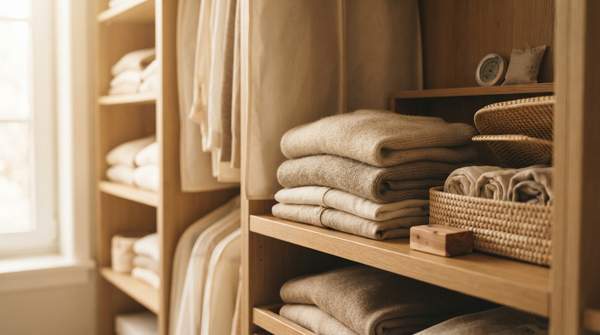
- Can air move in the closet? Poor circulation promotes mold growth on textiles, per the Conservation Institute. Keep closet doors ajar periodically or use a fan when practical—the EPA recommends increasing air movement by opening doors and windows.
- Is the wardrobe overcrowded? Home-inspection experts advise giving your closet room to breathe so clothes can air out. Decluttering and donating unworn items helps air reach every garment.
- Is anything blocking airflow? Avoid pushing furniture or storage boxes flush against exterior walls where damp air gets trapped.
3. Storage Practices
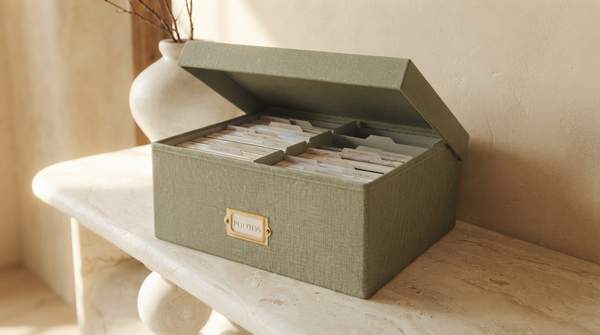
- Are garments in plastic bags? Never store clothes in plastic bags—inspections professionals warn the bags trap moisture inside and become favorite entry points for mold. Airtight containers create a humid microclimate around the fabric.
- Is everything dry before boxing? Drying clothes completely is essential in humid conditions. Fashion journalist Lucianne Tonti, writing in The Guardian, quotes textile expert Sallyne Payne that drying items flat and un-bunched, rather than bunched on a line, is the most effective way to ensure they dry fully.
- Consider water repellents. Home-inspection guidance notes repellents can protect clothes and help resist mold and moisture.
4. Clothing Condition
- Are stored items clean? Soil and finishes can feed mold even on less-prone fabrics—the Conservation Institute warns that mold grows even on synthetics if they are soiled.
- Are natural-fiber pieces in the riskiest spots? Prioritize cotton, linen, rayon, wool, and silk for the driest, best-ventilated locations in your storage.