A power loss can mean a total loss of heat without a backup generator, warns The New York Times. This critical vulnerability exposes many homes to severe cold, turning predictable winter threats into potential safety crises. Yet, winter damage is largely preventable. Many homeowners neglect crucial preparations, leading to avoidable costs and dangers. Those who skip proactive winterization risk significant financial burdens and safety crises, often underestimating the cumulative impact of small preventative failures.
Beyond the Obvious: Understanding Winter's Hidden Threats
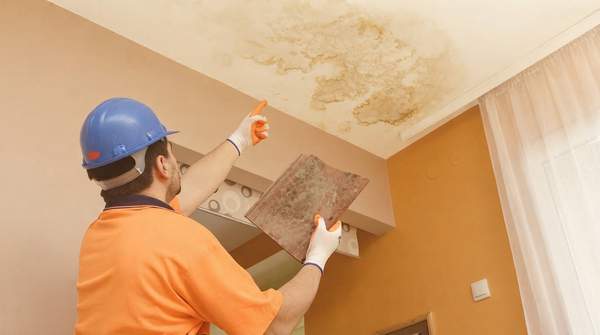
Winter brings diverse, often hidden threats. Falling tree branches, due to wind or snow, can damage homes and cause water leaks, notes AceableAgent. Overworked heating systems risk breakdowns, fires, and smoke damage; regular maintenance prevents this. Modern heating relies entirely on electricity, meaning minor outages render primary systems useless. This forces reliance on less efficient emergency heat and amplifies dangers from poor insulation or unsealed rooms. Winter preparedness must address these critical structural vulnerabilities, not just personal survival.
Your Essential Winter Home Preparation Checklist
Proactive structural maintenance prevents common, costly winter damage. AceableAgent recommends sealing air leaks between the house and attic and increasing insulation to prevent ice dams. To avoid flooding from melting snow, install sump pumps, apply plastic coatings to basement walls, clear gutters and downspouts, and caulk window and wall cracks. These seemingly minor upfront investments are not just about comfort; they are a critical hedge against catastrophic structural damage that can easily outweigh prevention costs tenfold. The persistent prevalence of these issues suggests homeowners underestimate the long-term financial and safety costs of inaction.
Don't Get Caught Off Guard: Essential Emergency Supplies
Neglecting basic emergency supplies and fuel reserves leaves households vulnerable. Weather advises keeping adequate fuel, as storm conditions can limit supplies for days. This ensures heating systems, even electric-ignition ones, operate once power returns or with a generator. Weather.gov focuses on reactive survival (emergency fuel, fireplace), while AceableAgent details proactive prevention (sealing leaks, clearing gutters). A tension in homeowner mindset exists: preparing for a crisis versus preventing one. Both are critical but often approached separately.