Maintenance

5 Critical Home Maintenance Tasks to Avoid Costly Repairs

Preventative home maintenance is crucial for protecting your property value and avoiding expensive repairs. This guide ranks 5 essential tasks to safeguard your home and finances.

OH
Olivia Hart

April 7, 2026 · 9 min read

A serene home interior showing proactive maintenance, with a homeowner checking an HVAC unit and a clean air filter, symbolizing protection against costly repairs.

Protecting property values and avoiding unnecessary costs through preventative home management is crucial, especially given that a WSB-TV report found 65% of American homeowners ignored a maintenance task in the last five years, leading to 29% needing avoidable repairs. This ranked guide helps homeowners prioritize essential tasks based on potential cost of neglect, impact on safety, and overall long-term home health to protect their investment.

Tasks are ranked to prevent high-cost emergency repairs, drawing on data from common homeowner oversights and recommendations from home maintenance experts and the Better Business Bureau.

1. HVAC System Servicing — Best for Energy Efficiency & Longevity

The heating, ventilation, and air conditioning (HVAC) system is the mechanical heart of a home, yet it often runs without a second thought until it fails completely. This task ranks first because of its direct and significant impact on both monthly utility bills and the unit's lifespan. While most homeowners know to change the air filter, comprehensive annual servicing is a different and far more crucial task. Professional maintenance goes beyond the filter, involving cleaning evaporator and condenser coils, checking refrigerant levels, testing electrical components, and lubricating moving parts. These steps ensure the system runs at peak efficiency, reducing energy consumption.

This task is especially critical for homeowners living in climates with extreme hot or cold seasons where the HVAC system is under constant strain. The primary drawback is the upfront cost of a professional service call, which can feel like an unnecessary expense when the system appears to be working fine. However, WSB-TV reports that an HVAC system with regular maintenance can have a lifespan of 15-25 years, compared to just 10-15 years for a neglected one. Considering a full replacement can cost thousands, the annual service fee is a sound investment. According to the same report, scheduled maintenance visits are often three to five times cheaper than reactive, last-minute emergency repairs.

  • Check and Replace Filters: This is the most important DIY step. Check your filter monthly and replace it at least every 90 days, or more often if you have pets or allergies. A clogged filter forces the system to work harder, increasing energy use and wear.
  • Clear the Outdoor Unit: Keep the area around your outdoor condenser unit clear of leaves, grass clippings, and other debris. There should be at least two feet of clearance on all sides to ensure proper airflow.
  • Schedule Annual Professional Tune-Ups: Hire a qualified technician once a year (in the spring for AC, fall for heating) to perform a full inspection and cleaning. This is key to catching small problems before they become catastrophic failures. You can learn more about caring for other systems in our guide on how to maintain major home appliances to extend their lifespan.

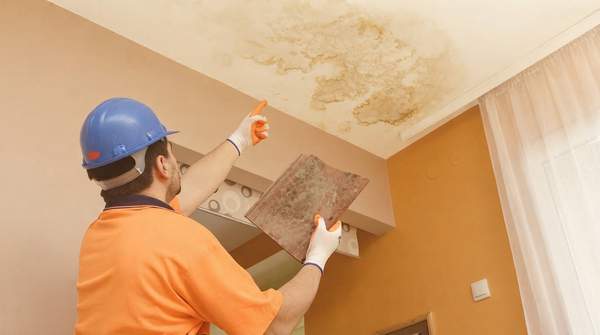
2. Roof and Gutter Maintenance — Best for Structural Water Damage Prevention

Water is a home's greatest enemy, and the roof and gutters are its first line of defense. This task is ranked second because neglecting it can lead to a cascade of expensive structural problems that extend far beyond the roof itself. Clogged gutters cause water to overflow, where it can seep behind siding, rot the wooden fascia boards, and saturate the ground near the foundation, leading to basement leaks and cracks. A damaged or aging roof can allow water to penetrate the attic, ruining insulation, damaging drywall, and creating an environment for mold growth. These issues are often hidden from view until significant damage has occurred.

This maintenance is essential for all homeowners, but particularly for those in areas with heavy rainfall, winter ice dams, or mature trees that shed leaves and needles. The main limitation is that it can be a physically demanding and potentially dangerous job. Working on a ladder or roof requires proper safety equipment and a high degree of caution. However, the cost of inaction is severe. According to an analysis by AJG, every dollar spent on deferred maintenance can result in up to four dollars in future repairs. A small gutter cleaning job can prevent thousands in foundation or framing repairs down the line.

  • Clean Gutters and Downspouts: At a minimum, clean them in the late spring and late fall. Remove leaves, twigs, and other debris by hand or with a gutter scoop, then flush the system with a hose to ensure water flows freely.
  • Inspect for Damage: While cleaning, check for sagging gutters, loose spikes, or leaks at the seams. On the roof, look for missing, cracked, or curling shingles, and check for worn-out flashing around chimneys and vents.
  • Ensure Proper Drainage: Make sure downspouts extend at least five feet away from the house to direct water away from the foundation. If water pools near the house, the risk of basement leaks increases dramatically.

3. Plumbing and Water Heater Flushing — Best for Preventing Interior Flooding

Out of sight and out of mind, the plumbing system works silently until a catastrophic failure occurs. This task, specifically flushing the water heater, is crucial for preventing one of the most common and costly sources of interior water damage: a burst tank. Over time, sediment (minerals, sand, and rust) from the water supply settles at the bottom of the water heater tank. This layer of gunk forces the heating element to work harder, reduces the unit's efficiency, and, most importantly, can corrode the tank from the inside out, leading to a sudden and massive leak.

This is a must-do task for any homeowner with a conventional tank-style water heater, and it's especially important in regions with hard water, where mineral buildup happens faster. The primary drawback is that many homeowners are intimidated by the process, fearing they might cause a leak. While the steps are straightforward, valves can sometimes be old or stuck, which may require a professional plumber. However, ignoring this task all but guarantees the water heater will fail prematurely, and a flood can ruin flooring, subflooring, drywall, and furniture, with remediation costs easily running into the thousands.

  • Step 1: Turn Off Power and Water: For an electric heater, turn off the corresponding breaker. For a gas heater, turn the switch to "Pilot." Then, shut off the cold water supply valve to the tank.
  • Step 2: Drain the Tank: Connect a garden hose to the drain valve at the bottom of the tank and run the other end to a floor drain or outside. Open the drain valve and a hot water faucet somewhere in the house to allow air in and help the tank drain.
  • Step 3: Flush the Sediment: Once the tank is empty, briefly open and close the cold water supply valve a few times to stir up and flush out the remaining sediment at the bottom. Close the drain valve, disconnect the hose, and refill the tank before restoring power.

4. Electrical System Inspection — Best for Home Safety

A faulty electrical system poses a direct threat to safety, risking house fires and electrical shock. Electrical connections loosen, outlets wear out, and circuit breakers weaken over time, especially in older homes unequipped for modern demands. Unnoticed risks include overloaded circuits and faulty ground-fault circuit interrupter (GFCI) outlets.

An electrical system check-up is recommended for all homeowners but is most critical for those in homes more than 20 years old or for anyone who has noticed flickering lights, frequently tripped breakers, or outlets that feel warm. The limitation is that most of this work is not a DIY job. Beyond testing outlets, a comprehensive inspection of the main service panel and wiring should be performed by a licensed electrician. While this involves a service fee, it provides invaluable peace of mind. WSB-TV notes that key systems, including electrical panels, represent the highest potential cost and risk if they fail.

  • Test GFCIs and AFCIs Monthly: Press the "Test" button on these safety outlets (found in kitchens, bathrooms, and outdoors) to ensure they trip correctly, then press "Reset." Arc-fault circuit interrupters (AFCIs) at the breaker panel should also be tested.
  • Check for Warning Signs: Be aware of buzzing sounds from outlets, a burning smell, or discoloration on wall plates. These are urgent signs that require immediate attention from an electrician.
  • Schedule a Professional Inspection: Every 3-5 years, consider hiring an electrician to inspect your main panel, tighten connections, and ensure your system is safely handling its electrical load.

5. Foundation and Drainage Grading — Best for Long-Term Structural Integrity

The most overlooked task is often the most fundamental: ensuring water drains properly away from your home's foundation. This issue is subtle and develops over years, but the consequences of neglect are among the most expensive in home repair. When the soil around your foundation becomes saturated, it exerts immense hydrostatic pressure on the concrete walls. This can lead to cracks, bowing walls, and major structural failure. The problem almost always begins with improper grading—the slope of the land immediately surrounding your house.

As ground around foundations settles, low spots form where water pools, a universal issue for homeowners. Fixing grading is labor-intensive, often requiring heavy topsoil, professional landscaping, or French drain installation. However, this preventative work offers an enormous return on investment by protecting the home's structure, especially compared to foundation repair costs, which can easily exceed $10,000 to $20,000.

  • Inspect the Slope: The ground around your foundation should slope downwards at least six inches over the first ten feet away from the house. Use a level and a long board to check this.
  • Fill Low Spots: Use compacted fill dirt or topsoil to build up any areas where the ground has settled and slopes back toward the house.
  • Maintain Downspout Extensions: Ensure your gutter downspouts are clear and are discharging water well away from the foundation—at least five to ten feet is recommended.
  • Monitor for Cracks: Regularly inspect your foundation walls, both inside and out, for any new cracks, especially horizontal or stair-step cracks in block walls, as these can indicate pressure from water-saturated soil.
Maintenance TaskCategoryRecommended FrequencyBest For
HVAC System ServicingMechanical/EfficiencyAnnually (Professional)Energy Efficiency & Longevity
Roof & Gutter MaintenanceExterior/StructuralBi-Annually (DIY)Structural Water Damage Prevention
Plumbing & Water Heater FlushPlumbing/InteriorAnnually (DIY)Preventing Interior Flooding
Electrical System InspectionSafety/SystemsEvery 3-5 Years (Professional)Home Safety & Fire Prevention
Foundation & Drainage GradingStructural/ExteriorAnnually (Inspection)Long-Term Structural Integrity

How We Chose This List

The tasks on this list were selected to highlight critical maintenance areas that are frequently postponed or overlooked by homeowners. We excluded more obvious or cosmetic tasks like painting or lawn care to focus on the systems essential to a home's safety, structural integrity, and core function. The ranking prioritizes jobs that prevent the most expensive and disruptive types of damage. A report from WSB-TV identified major home systems—including the roof, HVAC, electrical, and plumbing—as representing the highest potential cost if they fail, a finding that heavily informed our selections. Furthermore, we considered the "domino effect" of neglect, where a seemingly small oversight like a clogged gutter can trigger a chain reaction of costly failures.

The Bottom Line

Annual HVAC servicing offers immediate savings and efficiency gains, while proper roof drainage and foundation grading provide fundamental protection against costly structural repairs, preserving a property's core value. These proactive maintenance tasks effectively protect financial investments and ensure a safe living environment.