While TikTok and Instagram flood feeds with new home decor trends daily, a growing number of homeowners are deliberately taking years, not months, to furnish their spaces with collected antiques and art. This patient approach stands in stark contrast to the rapid-fire aesthetic shifts seen across social media, where new styles appear and fade within weeks. The impact of this room scrolling trend on home design in 2026 is fostering a quiet rebellion among those seeking more permanence.
Social media platforms accelerate the perceived need for quick home decor curation, often showcasing aspirational, picture-perfect homes that can feel unattainable. Yet, paradoxically, homeowners are increasingly embracing a slow decorating movement focused on timeless, personal investments, pushing back against this pressure.
As awareness grows about the psychological toll of constant trend chasing and the value of authentic self-expression, the market for durable, high-quality home furnishings and bespoke design services is likely to expand, while fast-fashion decor faces increasing consumer skepticism.
The Allure of the Enduring Home
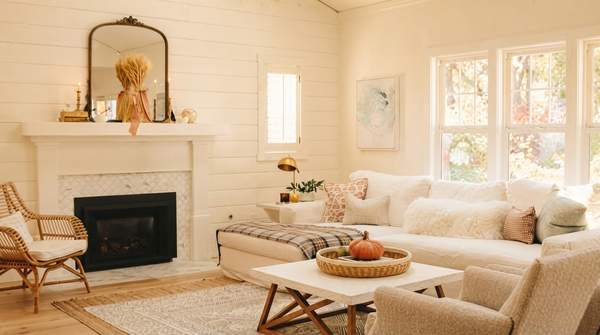
Homeowners are increasingly drawn to interiors that reflect their personal stories, spaces meticulously crafted over time with collected furniture, art, and antiques. This deliberate method, often termed 'slow decorating,' prioritizes pieces with history and meaning, allowing a home to evolve organically. It moves away from the transactional nature of buying disposable decor items, instead emphasizing quality over quantity. Individuals are encouraged to invest in items they genuinely love and that will stand the test of time. As Veranda notes, these timeless, personality-filled interiors are not quickly assembled but carefully curated. This approach marks a profound shift from transient aesthetics to a deeper, personal connection with one's living space, transforming a house into an evolving narrative rather than a static showroom.
Beyond the Scroll: A Deeper Disconnect
The constant stream of perfectly curated homes on social media platforms can create a sense of inadequacy or exhaustion among viewers. This relentless exposure to seemingly flawless interiors often leads to a deeper psychological disconnect, where individuals feel pressured to maintain an impossible standard. The pursuit of authentic, personal spaces serves as a subconscious antidote to the superficial connections and perceived perfection often found on social media, fulfilling a deeper human need for belonging and genuine expression.