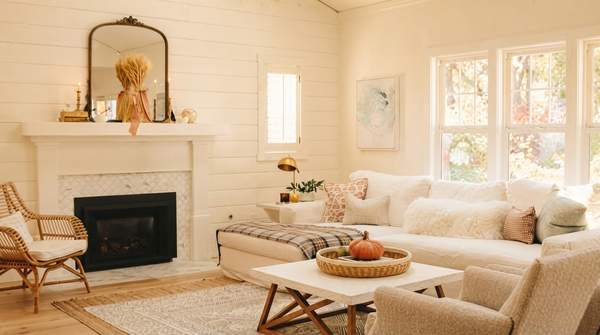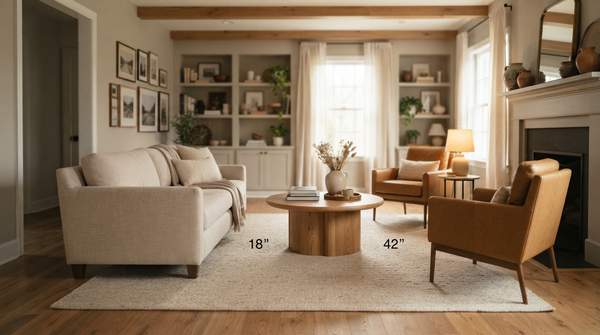
If your living room feels more waiting-room than welcome, the fix usually comes down to a handful of design choices rather than a full renovation. Designers consistently point to four elements that move a space toward warmth: layered lighting, natural materials, rich textiles, and personal touches. This guide compares all four against the two factors that matter most for coziness — how much warmth an element adds, and how much visual texture it creates — so you can pick the two or three that best match your style and your room's specific problems.
Understanding Coziness: More Than Just Softness
Before adding anything, it helps to diagnose what makes a room feel uninviting in the first place. Forest Homes' design writer Maria Daniela Rodriguez describes the pattern bluntly: think of any waiting room you've ever sat in. "The lights are too bright. They come from the ceiling. The chairs face the wrong way. There is nothing soft to lean on. The room sounds slightly echoey. You feel, quietly, like you should not stay." Most living rooms, she notes, have at least two of those problems.
That diagnosis is useful because it tells you where to aim. Bright, single-source ceiling light is the most common culprit, but a lack of soft surfaces and a room that echoes slightly matter just as much. Each of the four elements below addresses at least one of these failure modes — which is why the comparison at the end is worth doing before you buy anything.
Layered Lighting: Crafting Ambiance and Depth
Ambient lighting — the general illumination from ceiling fixtures like chandeliers, flush mounts, or pendants — sets the overall tone and mood of a space, but it works best as a foundation rather than the whole scheme. Wall-mounted sconces can fill shadows and create a soft, welcoming glow, while recessed or track lighting distributes light evenly across open-plan areas.
The key move is layering: when light is carefully layered and positioned, it highlights textures, defines zones, and sets the desired mood. Lighting also changes how you perceive every other material in the room. Interior design commentary on texture notes that light interacts with surfaces — reflecting off some, being absorbed by others — so the same wood, fabric, or wall finish can look entirely different under a single harsh ceiling fixture versus a mix of warm, diffused sources. In other words, lighting is the element that multiplies the effect of everything else.