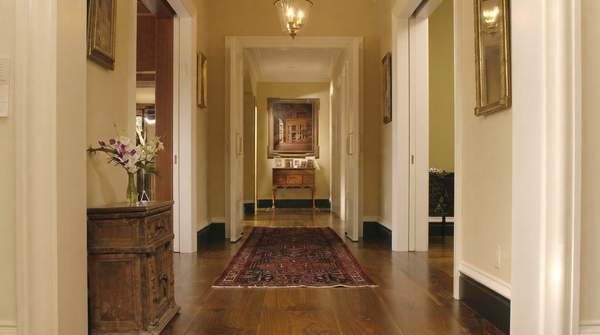
For busy hallways, entryways, and kitchens, the best flooring choice comes down to a simple trade-off: Luxury Vinyl Plank (LVP) and porcelain or ceramic tile deliver the strongest combination of durability, water resistance, and easy upkeep, while hardwood offers a classic, timeless look that demands more care and is a poor fit for wet or spill-prone spots. Homeowners who prioritize maximum water resistance and low maintenance should lean toward LVP or tile; those who want natural wood character and can commit to occasional refinishing can make hardwood work in drier, well-maintained traffic zones.
Understanding High-Traffic Flooring Needs
High-traffic areas are the workhorses of a home: entryways take rain, snow, and dirt; hallways absorb constant footfall; kitchens face spills and frequent movement. Flooring specialists advise starting with how often family members enter each room and what activities occur there, letting function narrow the choices before appearance enters the conversation. The four factors that matter most are durability and scratch resistance, water resistance, maintenance requirements, and comfort underfoot. Industry rating systems help make these comparisons concrete: PEI ratings measure a glazed tile's resistance to surface abrasion, while hardwood labels list Janka hardness and wear layer thickness. These numbers are useful only when matched to the room, traffic, moisture, and maintenance expectations—not simply by chasing the highest figure.
Luxury Vinyl Plank (LVP): Versatility and Resilience
LVP is one of the most popular choices for high-traffic spaces, designed to handle heavy use while offering the look of natural materials like hardwood or stone. Its standout advantage for residential entryways is moisture resistance: entryways are exposed to rain, snow, and dirt, so flooring that can handle wet conditions is a major benefit there. LVP is marketed with high resistance to scratches, stains, and dents, and waterproof options make it suitable for kitchens, bathrooms, and entryways. Importantly, it delivers durability similar to porcelain while feeling softer and warmer underfoot than tile or stone—a real comfort difference in rooms where people stand frequently, such as kitchens. Its stain- and scratch-resistant surface also simplifies cleaning in busy households.
Tile (Porcelain/Ceramic): Ultimate Durability and Water Resistance
Porcelain and ceramic rank among the most popular tile flooring materials for residential spaces, and both offer attractive designs with relatively straightforward maintenance. The key distinction is density and moisture: porcelain typically provides greater density and lower water absorption than standard ceramic—porcelain is defined around water absorption of 0.5% or less—making it particularly appealing for high-traffic areas with frequent moisture exposure. For wear resistance, the PEI scale matters. A PEI rating measures a glazed tile's resistance to surface abrasion, not cracking strength, slip resistance, or appearance quality. According to Tile Outlets' guidance for homeowners, kitchen and main living floors need PEI 3 at minimum, busy family kitchens often do better at PEI 4, and bathroom floors can work at PEI 2–3 when traffic is soft-soled, though PEI 3 is the safer default for family baths.
Hardwood: Classic Aesthetics with Specific Care
Hardwood brings a timeless aesthetic that few materials can match. When you select harder species like oak, maple, or hickory, it can be highly durable and scratch-resistant, and durable modern finishes add further protection against scratches and scuffs. But hardwood comes with specific obligations. The evidence on engineered hardwood—drawn from a contractor's guide to commercial spaces, though its material characteristics apply to residential use as well—notes that it requires occasional refinishing and is not ideal for very wet or high-spill areas. Engineered hardwood is more stable than solid hardwood and better suited to humidity and temperature changes, but no finish makes wood a good candidate for a mudroom or a spill-heavy kitchen. In a dry hallway or living area with attentive care, it remains a strong performer.
Flooring Material Comparison for High-Traffic Homes
The table below synthesizes the evidence on each material across the four decision dimensions that matter most for busy residential spaces, allowing you to see at a glance where each option excels and where it asks for compromise.
| Attribute | Luxury Vinyl Plank | Tile (Porcelain/Ceramic) | Hardwood |
|---|---|---|---|
| Durability / Scratch Resistance | High resistance to scratches, stains, and dents; designed for heavy use | Porcelain offers greater density than ceramic; PEI 3–4 indicates floor-grade wear resistance | Hard species (oak, maple, hickory) are scratch-resistant; durable finishes resist scuffs but wood shows wear over time |
| Water Resistance | Moisture-resistant; waterproof options available for kitchens and entryways | Porscelain absorbs 0.5% water or less; ideal for frequent moisture exposure | Not ideal for very wet or high-spill areas |
| Maintenance | Easy to clean thanks to stain and scratch resistance | Relatively straightforward; regular cleaning typically sufficient | Requires occasional refinishing |
| Comfort Underfoot | Feels softer and warmer than tile or stone | Hard surface | Real wood warmth, though harder than LVP |
Read together, the comparison shows each material winning on a different priority: LVP excels in water resistance and comfort, tile in ultimate durability and moisture protection, and hardwood in aesthetic appeal—with the maintenance burden that aesthetic carries.
Choosing Flooring for Specific High-Traffic Rooms
Applying these characteristics to individual rooms makes the decision concrete. In entryways and mudrooms, the priority is wear resistance against grit: Tile Outlets recommends targeting PEI 4 tile there because tracked-in sand and grit act like sandpaper on a tile's glaze. LVP's moisture resistance makes it equally strong for entryways exposed to rain, snow, and dirt. Hardwood should generally be ruled out of these wet, gritty zones.
For kitchens and main living areas, spills and constant movement drive the choice. PEI 3 tile is the minimum for kitchen and main living floors, with busy family kitchens often doing better at PEI 4, while LVP's waterproof options and easy cleaning make it a robust kitchen contender. Hardwood's appearance is attractive in living areas, but its unsuitability for high-spill environments means it deserves careful consideration where food and liquids are in play.
For hallways and living areas away from water, all three materials can perform. LVP balances durability and comfort underfoot; higher-PEI tile handles abrasion best; and hardwood delivers its classic look in exchange for occasional refinishing, particularly if humidity fluctuates, where engineered hardwood's stability is an advantage.
Making Your Flooring Decision: Match Material to Lifestyle
Homeowners should choose flooring for high-traffic areas by prioritizing either maximum water resistance and low maintenance (LVP or tile), or classic aesthetics with specific care requirements (hardwood), based on the room's function and household activity. Map each busy room to its demands first: wet, gritty entryways call for waterproof LVP or PEI 4 tile; spill-prone kitchens favor LVP or PEI 3–4 tile; and drier hallways and living areas open the door to hardwood, refinished as needed. The measurable indicator of a good choice is straightforward: the chosen flooring material withstands daily wear and moisture exposure, maintaining its appearance with the expected level of maintenance—no more, and no less.