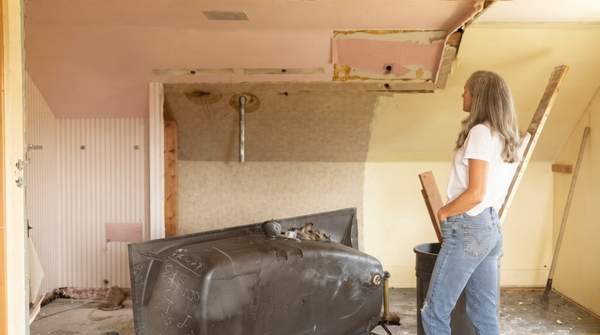
The average bathroom remodel in 2026 is projected to cost $16,500, but most homeowners will spend between $8,000 and $45,000, often encountering unexpected expenses that push them to the higher end, according to USACabinetStore. Homeowners envision a straightforward upgrade, yet projects frequently involve significant hidden costs and technical complexities. Detailed planning and realistic budgeting are crucial; without them, substantial financial and logistical setbacks are likely.
Understanding Renovation Tiers and Their Costs
Basic bathroom improvements, like painting or fixture updates, typically cost $4,000 to $9,000 in 2026. A mid-level remodel falls in the $10,000–$18,000 range, according to BuildMyPlace, while major upgrades with layout changes start at $20,000 or higher. The national average of $16,500 thus reflects a mid-to-high-end project, not a basic one. Companies marketing 'average' remodels at this price often mislead homeowners. Defining your project's scope early is essential for realistic financial planning.
Planning for Budget, Timeline, and Unexpected Expenses
Labor accounts for 40% to 60% of a bathroom remodel budget, according to BuildMyPlace. A typical renovation in 2026 takes 5-8 weeks, states USACabinetStore. Homeowners should also allocate a 10%–15% buffer for unexpected expenses, as recommended by BuildMyPlace. With labor and contingency combined, even a mid-range project's true cost will likely exceed initial estimates, pushing into higher spending tiers. Realistic budgeting, a contingency fund, and a practical timeline are fundamental for project success.
Mastering Technical Details and Maximizing Value
Achieving a perfect floor often requires a dry-pack mortar bed, according to Fine Homebuilding. Site-built shower pans demand specific details to meet code and modern plumbing standards. These intricate construction demands mean homeowners invest in specialized labor, not just aesthetics, which can extend timelines and inflate costs. While bathroom renovations recoup about 71% of their costs, reports AAA, the primary return is often lifestyle enhancement rather than direct financial recoupment. Therefore, a detailed design plan, finalized before demolition, is critical. Obtain at least three written bids from licensed contractors, clearly defining payment schedules and milestones. Consider long-term maintenance for chosen materials and prioritize energy-efficient fixtures to reduce future utility costs.