The second-hand furniture market, a vibrant hub of unique finds, is set to more than double from USD 40.97 billion in 2025 to a staggering USD 84.44 billion by 2035, according to researchnester. This dramatic expansion reveals a profound reevaluation of what homeowners truly desire for their living spaces.
Despite the effortless availability of new, mass-produced furniture, consumers are increasingly drawn to vintage and pre-loved pieces. They prioritize unique character and enduring sustainability over fleeting trends. This compelling tension between convenience and conscious curation now defines the evolving home goods market.
Based on these robust growth rates and shifting consumer preferences, the vintage and second-hand home decor market is poised to become a dominant force. This compels traditional retailers to adapt swiftly or risk becoming obsolete.
The Unstoppable Rise of Resale
- USD 40.97 billion — The second-hand furniture market was valued at this amount in 2025, according to researchnester.
- USD 84.44 billion — This is the projected market size for second-hand furniture by 2035, as reported by researchnester.
- 7.5% — The approximate Compound Annual Growth Rate (CAGR) expected for the second-hand furniture market during the forecast period of 2026-2035, according to researchnester.
These robust growth figures confirm that the vintage and second-hand market is no fleeting trend; it's a powerful, accelerating economic force reshaping how we furnish our homes. This consistent upward trajectory means consumers are not just buying furniture, but actively curating spaces with pieces that tell a story and offer lasting value.
From Trunks to Murano: What's Making a Comeback
| Vintage Item | Current Appeal | Trend Outlook |
|---|---|---|
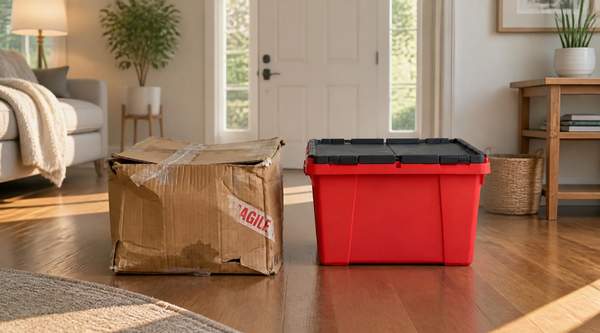
| Travel Trunks | Adds historic charm, storage, and a sense of adventure. | Major comeback expected, according to House Beautiful. |
| Folding Screens | Offers versatile room division and artistic flair. | Expected resurgence, noted by House Beautiful. |
| Metal Task Lighting | Provides industrial chic and functional style. | Significant return to popularity, as per House Beautiful. |
Source: House Beautiful
The resurgence of character-rich items like sturdy travel trunks and delicate Murano glass reveals a clear shift: 'new' and 'perfect' are no longer the primary drivers for home decor. Consumers are actively seeking pieces with history and unique personality. This trend invites you to explore beyond the ordinary, discovering treasures that truly reflect your home's distinct spirit.
The Allure of Authenticity
Handcrafted vintage pieces exude a distinctive character, a quality rarely found in today's mass-produced items, as reported by House Beautiful. This inherent uniqueness and craftsmanship offer a compelling alternative to the often generic options in new retail, powerfully driving consumer preference.
Consumers are now prioritizing provenance and individuality over sheer convenience, fundamentally redefining 'value' in home decor. When you choose a vintage item, you're not just acquiring furniture; you're inviting a story and unique artistic expression into your home, enriching its very atmosphere. This desire shapes spaces that feel deeply personal and curated, rather than simply furnished.
Winners and Losers in the Decor Shift
The home furnishings resale sector is set to surge by 29% over the next five years, building on its 2021 peak, according to researchnester. This data reflects projections made in 2021 and may not represent current trends. This significant projected growth firmly establishes second-hand retailers and online vintage marketplaces as clear winners, signaling a decisive shift in consumer spending away from traditional new retail.
This anticipated 29% rise, even after its pandemic-era peak, confirms that the surge in home nesting has solidified into a permanent consumer preference for pre-loved items. This defies expectations of a market correction. The market surge was no temporary anomaly; it's a new, sustained baseline for growth, actively devaluing new, mass-produced furnishings.
Conversely, manufacturers and retailers of mass-produced, generic new furniture face mounting pressure. Traditional furniture retailers who cling to uniformity are overlooking a fundamental shift in consumer values, risking obsolescence as shoppers increasingly seek distinctive options.
The Future is Found: Emerging Vintage Trends
- Murano glass is being used to add a classic vibe and warmth to modern rooms, according to House Beautiful.
The seamless integration of classic pieces like Murano glass into modern aesthetics proves that vintage items are not merely nostalgic; they are actively shaping contemporary design. This exciting trend encourages you to blend different eras, crafting a layered, sophisticated look that is uniquely your own. Prepare to see more curated mixes of old and new, where the rich history of a piece beautifully enhances its modern surroundings.
Embrace the Past for a Sustainable Future
If current trends continue, the second-hand furniture market, with its projected surge to USD 84.44 billion by 2035, will likely compel every home decor retailer to integrate unique, pre-loved pieces into their offerings or risk being left behind.