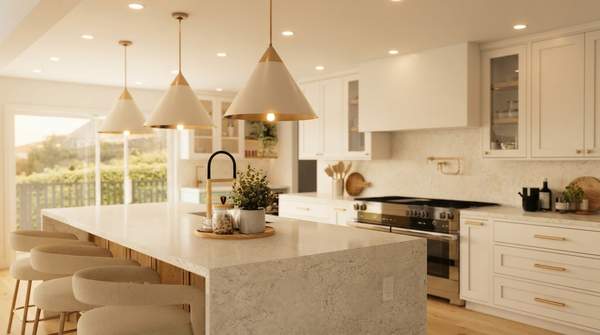
Fully fluted cabinetry, once a darling of modern design, is already being flagged by designers as 'overdone and out of style' for 2026, revealing how quickly even seemingly classic trends can fade. This rapid shift can leave homeowners with interiors that feel dated almost as soon as they are completed, a costly oversight for those seeking lasting beauty and comfort.
Many homeowners seek timeless decor, but they often mistake popular, trendy elements for enduring style, leading to quickly dated interiors. This creates a cycle where aspirational choices quickly become sources of regret, undermining the desire for a genuinely classic home style that reflects personal taste and stands the test of time.
Homeowners who prioritize architectural context and understated quality over widespread trends will likely achieve truly classic and enduring home aesthetics, avoiding costly redecorations. By understanding the subtle differences between genuine longevity and fleeting popularity, you can cultivate spaces that truly stand the test of time, filled with timeless decor pieces for classic home style.
Navigating Trends: When 'Timeless' Isn't What It Seems
The quest for a timeless home often steers us toward popular trends, elements designed, ironically, for swift obsolescence. To truly craft enduring beauty, we must look beyond fleeting fads and consider how each element harmonizes with our home's unique character.
1. Quality Natural Materials (Wood, Stone, Marble)
Best for: Homeowners prioritizing lasting value and authentic texture.
These materials are considered 'trend-proof things in our homes and buildings' by Style by Emily Henderson, where 'quality and craftsmanship are always going to reign supreme'. Natural wood in common mid-tone finishes consistently works aesthetically, and natural stone like soapstone will forever be timeless. Investing in these materials is a safeguard against fleeting fads, ensuring your home's foundation remains elegant for decades.
Strengths: Enduring appeal, develops character over time, high perceived value. | Limitations: Can be a significant initial investment, requires specific maintenance. | Price: Higher initial investment.