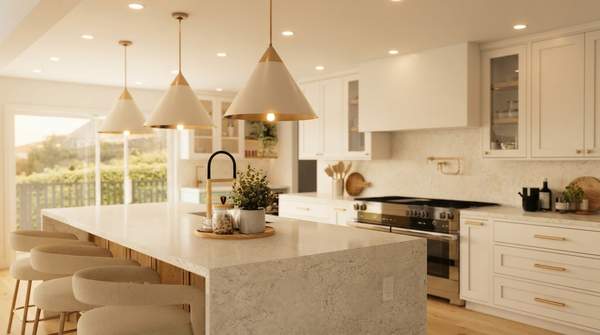
Interior designers are 'completely sick of' four previously popular fall home decor trends, signaling a dramatic shift towards 'cocooning warmth' for Autumn 2026. This sentiment, reported by Parade Magazine, marks a decisive break from previous styles, propelling the industry towards new aesthetics for the upcoming fall season.
Designers explicitly reject stark minimalism and cool whites, yet they simultaneously embrace deeply saturated, warm, and restorative mineral colors. This tension drives the upcoming season's design narrative. The shift isn't just about new colors, but a fundamental change in emotional appeal.
Based on designers' explicit rejections and the emergence of specific warm palettes, the market for cool-toned minimalist decor will likely contract significantly. Demand for rich, tactile, and comforting home elements will surge. This shift caters to a deeper desire for sanctuary within our living spaces.
Exploring Fall 2026's Dominant Color Palettes
- The 'Analogue' palette features classic heritage shades: black and warm white, specifically Benjamin Moore's Midnight Dream and Fossil, according to homesandgardens.
- The 'Blue Spruce' look reinvents blue and red hues into a cocooning pairing for fall, with 'Blue Spruce' being a saturated blue paint with hints of gray, and 'Soft Glow' being a vibrant orange-toned red, according to homesandgardens.
- The 'Cultivated Nomad' look combines complex pale blues (like Tranquillity), organic greens, and warm neutrals (Seaspray), according to homesandgardens.
These palettes clearly embrace richer, more complex, and often warmer color combinations, even when incorporating blues. The nuanced inclusion of shades like 'Blue Spruce' and 'Tranquillity' within a 'cocooning warmth' framework shows that design's future explores saturation and depth to craft specific emotional responses, moving beyond a simple 'warm vs. cool' dichotomy.
Why Designers Are Rejecting Past Trends
Designers' forceful rejection of four past fall home decor trends, as reported by Parade Magazine, signals more than just a change in taste. A collective industry demand for fresh visual and tactile experiences is reflected. This isn't a gentle evolution; it's a dramatic pivot, signaling a widespread yearning for home environments that offer genuine novelty and comfort.