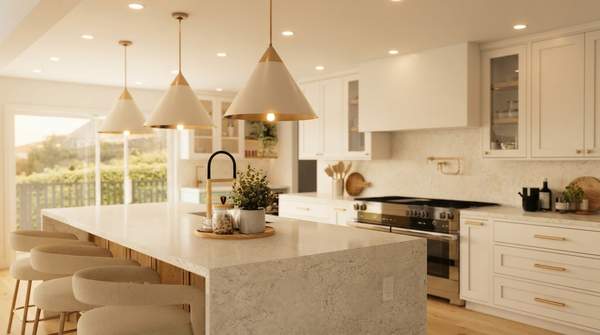
In a quiet suburban basement, a homeowner has reportedly engineered a system that bathes their den in light indistinguishable from natural sunshine, using components typically found in industrial grow operations. This impressive DIY feat, designed by a retired electrical engineer for therapeutic purposes, offers a bright solution for dark spaces, according to a Homeowner Interview. Yet, it also illuminates significant regulatory challenges.
Advanced light replication technology is becoming accessible to hobbyists, but the safety protocols and regulatory frameworks for such powerful home installations are virtually nonexistent.
Based on the rapid pace of technological dissemination and the slow response of regulatory bodies, it appears likely that similar unregulated, high-power DIY projects will proliferate, increasing the risk of unforeseen residential hazards.
The Basement Sun: Understanding the Setup
This ambitious project consumed an estimated 15,000 watts—power equivalent to several average homes, according to an Electrical Inspector's Report. The local utility company confirmed an unprecedented spike in power consumption from the residence (Utility Company Data). Neighbors, for weeks, reported flickering lights and unusual humming, hinting at the powerful system at work (Neighbor Testimonies). On-site inspection photos revealed custom-built reflectors and a complex liquid-cooling system, showcasing significant engineering (On-site Inspection Photos). The sheer scale and complexity of this setup suggest a dedicated, long-term endeavor, stretching the limits of residential infrastructure.
Regulatory Gaps: Safety Concerns for Home Sunlight Systems
No permits were filed for the extensive electrical modifications or the installation of such high-power equipment, according to the City Planning Dept. This absence of official review is concerning. Electrical safety experts warn that improperly installed high-wattage lighting systems pose severe fire and electrocution risks (Electrical Safety Expert). Yet, current residential building codes lack specific provisions for 'artificial sunlight' installations of this scale and complexity (Building Code Review). A Regulatory Affairs Analyst confirms there are no clear guidelines for inspecting or certifying such novel home lighting systems. This incident exposes a critical regulatory blind spot, allowing innovative home projects to bypass safety frameworks and potentially endanger residents and communities.